Menu & categories

Brandy

A noble fruit brandy for special occasions.

Wiki about brandy Nutri-Score E Vegan Yes Gluten-free Yes Lactose-free Yes Nut-free Yes
NUTRITION / 100 ml
250 kcal 0 g Protein 0 g Kohlenhydrate 0 g Fett

Introduction

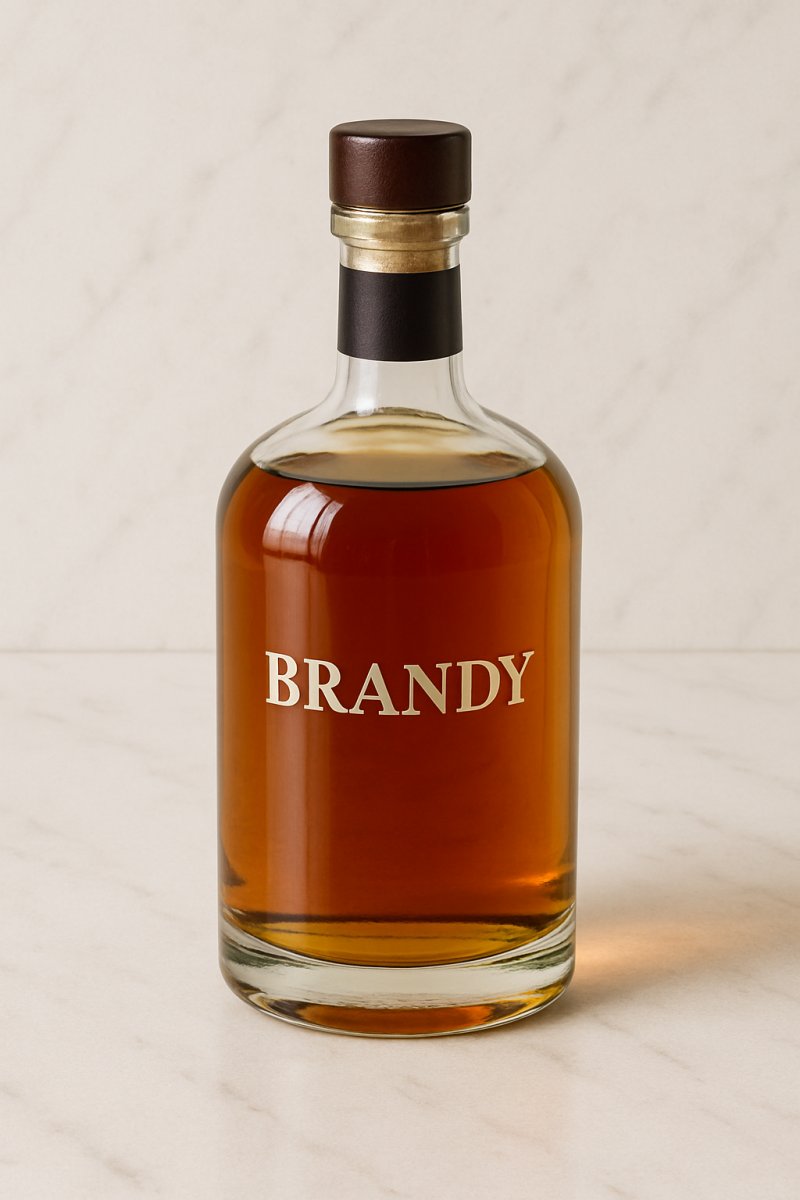
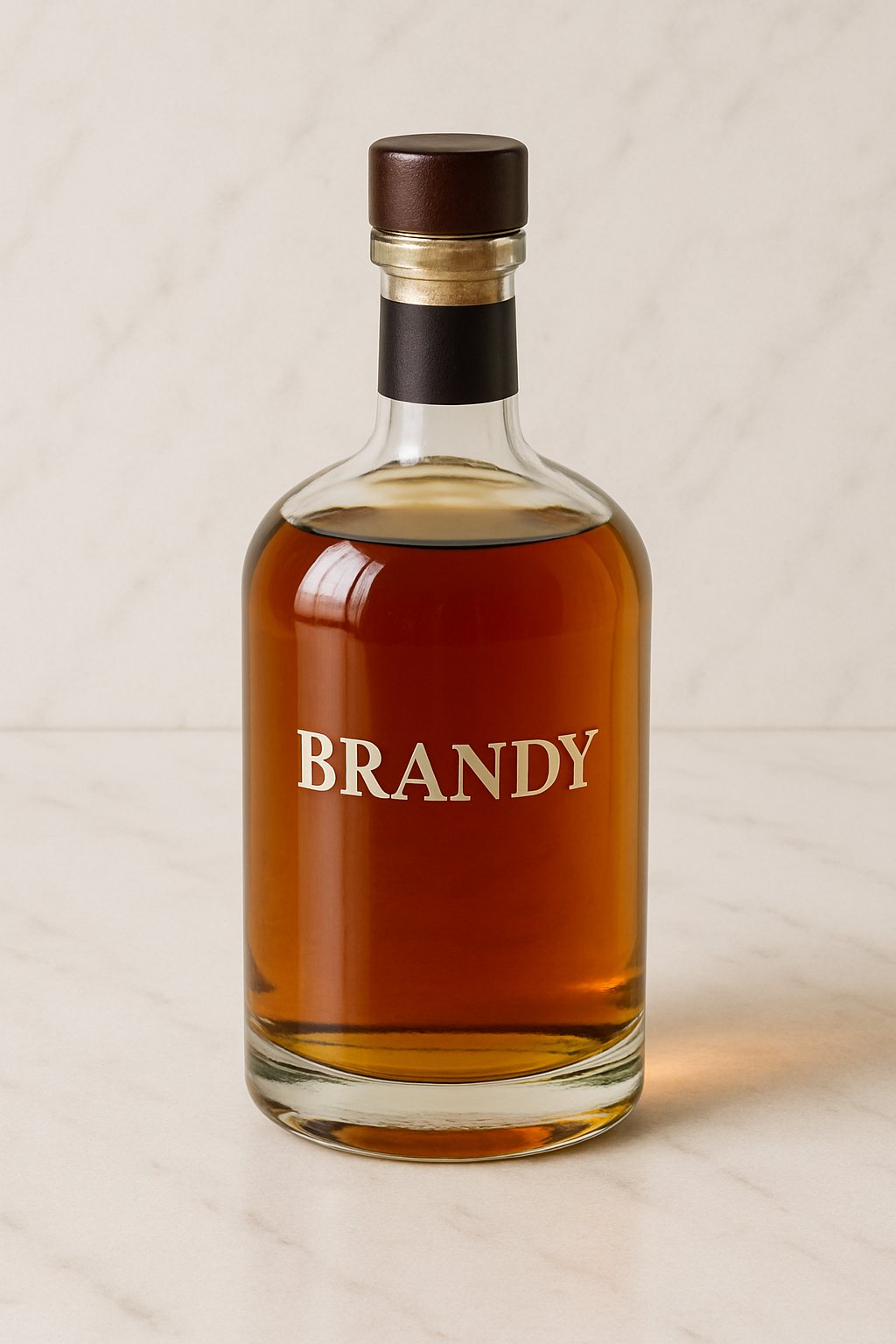
A bottle of brandy on a table.
For me, brandy is more than just an alcoholic drink; it is a journey back in time, a taste of tradition and craftsmanship. I still remember the first sip I enjoyed in a small, rustic bar in southern France. The innkeeper, an older gentleman with a broad smile and a fondness for stories, told me that his brandy is made according to old recipes passed down in his family for generations. The aroma was alluring and the warmth that spread through my stomach made me relax immediately.

Brandy, a distillate of wine, is not only a popular digestif but also a versatile ingredient in the kitchen. I have often used it in my recipes, whether in a fine sauce for a meat dish or in a chocolate dessert. A colleague of mine swears by brandy in his famous sauce for Coq au Vin; he says it gives the dish a depth that you simply cannot ignore. And I can only agree with him. When you pour brandy into a hot pan, it's like unleashing a small fire spell – the aromas unfold and bring the dish to life.

The variety of brandy is fascinating. There are numerous types, and each has its own character. From fruity to spicy notes, there is something for every taste. Here are some of the best-known brandy varieties:

  • Cognac: An exquisite brandy from the Cognac region of France, known for its complexity and elegance.
  • Armagnac: Also from France, but more robust and often somewhat less refined than Cognac.
  • Apple brandy: A fruity delight that is often used in desserts.
  • Grappa: An Italian pomace brandy made from the remains of grape production and often has an intense flavor.
I find it exciting how brandy not only pleases the palate but also warms the soul. Whether in a classic cocktail, like a Brandy Alexander, or neat with a few ice cubes – the possibilities are almost endless. On a cozy evening with friends I enjoy surprising them with a small brandy tasting, where I present different varieties. It is always an experience to discover the different tastes and aromas.

Brandy, for me, is a symbol of sociability and enjoyment. It brings people together, creates memories and tells stories. When I think about my experiences with brandy I feel inspired to try new recipes and celebrate old traditions. So next time you enjoy a good glass of brandy, think of the stories and craftsmanship contained in every sip. Cheers!

Availability & types

Brandy is a particular type of drink made by distilling wine or other fruits. People have enjoyed brandy for many centuries, and there are many different varieties and variations. In this section we will explore the origin, the growing regions and the various types and variants of brandy.

The history of brandy begins in Europe, especially in countries like France, Spain and Italy. It is said that people began distilling wine as early as the 15th century to make it more durable. Distillation removes the water from the wine, resulting in a stronger drink that lasts longer. The result is a delicious, aromatic brandy that is often enjoyed as a digestif after a meal.

Brandy can be made from different fruits, but most well-known varieties are grape-based. However, there are also brandies made from apples, pears or other fruits. The best-known types of brandy are:

  • Cognac: This special type of brandy comes from the Cognac region of France. Cognac must follow strict rules to be allowed to bear that name. It is made from specific grapes and must age at least two years in oak barrels.
  • Armagnac: This brandy also comes from France, but from a different region called Armagnac. It has a stronger flavor than Cognac because it is made differently and often ages longer.
  • Spanish Brandy: In Spain there are many different brands and types of brandy. These varieties are often sweeter and fruitier in taste. A well-known example is Brandy de Jerez, which is produced in the Jerez region.
  • Fruit brandies: These brandies are made from various fruits, such as apples or pears. They often have a fruity taste and are particularly popular in countries like Germany or Austria.
The growing regions where brandy is produced are very important for its taste. Climate, soil and the type of grapes or fruits used affect the final flavor of the brandy. In regions with lots of sun and warm weather the best grapes often grow. That is why areas like the French Cognac or the Spanish Jerez are so well known for their high-quality brandies.

When buying brandy you can often find different age categories. These age categories indicate how long the brandy has matured in barrels. For example:

  • VS (Very Special): This brandy is at least three years old.
  • VSOP (Very Superior Old Pale): This brandy must be at least four years old.
  • XO (Extra Old): This brandy is at least ten years old and often has a particularly rich and complex flavor.
In summary, brandy is a fascinating ingredient made from various fruits and enjoyed in many parts of the world.
Details & nutrition

Property Value
Unit ml
Calories per 100 250
Protein per 100 0
Carbohydrates per 100 0
Sugar per 100 0
Fat per 100 0
Saturated fat per 100 0
Monounsaturated fat 0
Polyunsaturated fat 0
Fiber per 100 0
Vitamin C (mg) per 100 0
Vitamin D (IU) per 100 0
Calcium (mg) per 100 0
Iron (mg) per 100 0
Nutri-Score E
CO₂ footprint 2.5
Origin France
Gluten-free Yes
Lactose-free Yes
Nut-free Yes
Vegan Yes
Note Brandy is an alcoholic beverage made from distilled wine.

Technical & scientific information

Brandy is an alcoholic beverage produced by distilling wine. The term brandy comes from the Dutch word brandewijn, which means burned wine. Brandy is produced in many countries around the world and has a long tradition dating back to ancient Rome. There are different types of brandy that differ in their production methods, the grapes used and their geographical origins. Among the best known varieties are Cognac, Armagnac and Pisco.

Production methods
The production of brandy begins with the fermentation of grapes, during which natural sugars are converted into alcohol. The wine is then distilled to achieve a higher alcohol content. The distillation process can take place in various types of distillation equipment, such as continuous or discontinuous stills. The resulting spirit typically has an alcohol content of about 60 to 80 percent. After distillation the brandy is often aged in oak barrels to develop its aromas and flavor nuances.

Chemical composition and ingredients
Brandy consists mainly of water and ethanol, with ethanol content usually between 35 and 60 percent. In addition to ethanol, brandy also contains a variety of compounds that form during fermentation and distillation. These compounds include:

  • Fusel oils: These are heavier alcohols that form during fermentation and influence the taste of the brandy.
  • Esters: These chemical compounds are responsible for fruity and floral aromas and often form by the reaction of alcohols with acids during aging.
  • Phenols: These compounds contribute to the complexity of the flavor and mainly come from oak aging.
The exact composition can vary significantly depending on the grape variety, region and production process.

Nutritional values
Brandy contains, like most spirits, negligible amounts of nutrients. A typical glass of brandy (about 30 ml) has approximately:

  • Calories: 70-100 kcal
  • Fat: 0 g
  • Carbohydrates: 0 g
  • Protein: 0 g
The calories come mainly from the alcohol content. Because of the high concentration of ethanol, brandy is an energy-dense beverage and should be consumed in moderation.

Health aspects
Consumption of brandy can have both positive and negative health effects. When enjoyed in moderation, brandy may offer some health benefits, such as supporting heart health and aiding digestion. Some studies suggest that antioxidants present in brandy, derived from grapes, may reduce the risk of heart disease.

However, excessive alcohol consumption, including brandy, is associated with a range of health risks. These include liver disease, an increased risk of cancer and mental health problems.

Wiki entry for: brandy
Active now: 6 visitors of which 2 logged-in members in the last 5 minutes