Menu & categories

Bran

Fiber-rich cereal component from the outer layers of the grain

Wiki about bran Nutri-Score A Vegan Yes Gluten-free No Lactose-free Yes Nut-free Yes
NUTRITION / 100 g
216 kcal 16 g Protein 64 g Kohlenhydrate 4.3 g Fett

Introduction

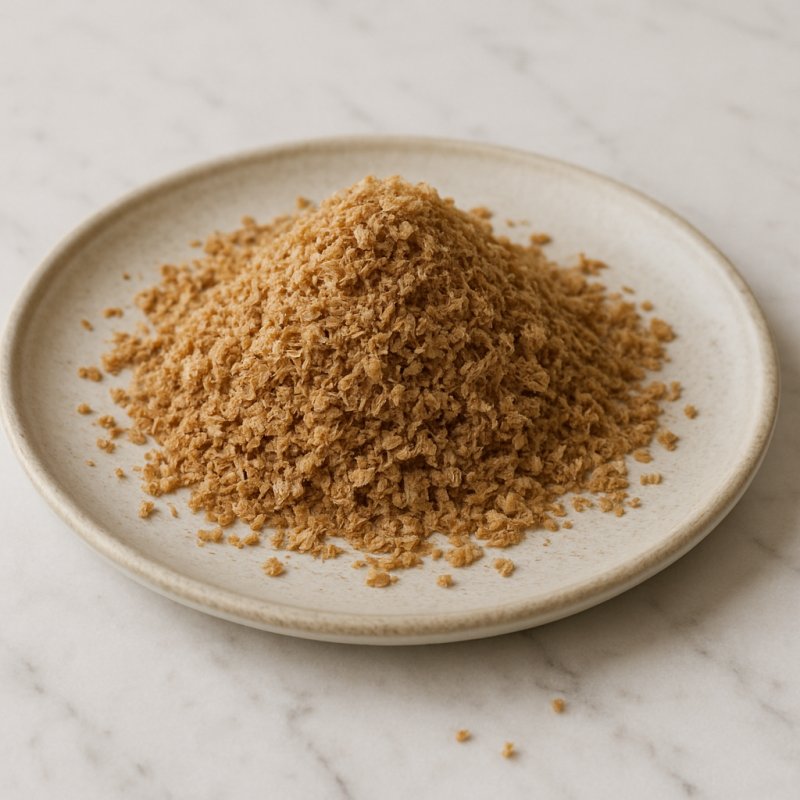
Dry bran in a bowl
I like bran because it always brings little surprises to my kitchen. The first time I consciously cooked with bran was on a rainy Sunday afternoon when I tried to brighten up some old bread. A colleague once casually mentioned how he mixes oat bran into his yogurt, and I thought: why not? The result was more than just saving old bread; it was the beginning of a small passion for this unassuming but versatile ingredient.

Bran is the outer part of the grain kernel, rich in fiber, vitamins and minerals. I still remember how surprised I was when I read that bran not only fills you up but also supports digestion and prolongs the feeling of satiety. Since then I like to sprinkle it over muesli, stir it into smoothies or add it to patties to increase texture and nutritional value. Small changes like these have helped me make everyday life healthier while also tastier.

What I especially love about bran is its versatility: it pairs with both sweet and savory flavors, binds doughs and brings a pleasant nutty note. Once I tried using oat bran in cookies and friends immediately asked me for the recipe. In another attempt with rye bran a rustic flatbread was created that matched perfectly with a tomato spread. Such experiments make cooking lively and show how a simple ingredient can transform dishes.

Practical tips I have collected over the years:

  • Dosage: Start with small amounts (one to two tablespoons) so dishes don’t become too dry.
  • Hydration: Bran swells; soak briefly in liquids or before baking.
  • Combinations: Good with yogurt, porridge, pancake or patty mixes and as a coating.
Sometimes it is precisely the unassuming ingredient that takes a dish to the next level. For me bran is exactly such a kitchen discovery: pragmatic, nutritious and with a surprising taste. When I think of small, content moments of eating together with friends, bran is almost always somehow present — and that is a nice feeling.

Availability & types

Availability and types of bran

Bran is an ordinary food product that comes from cereal grains. When a grain is processed into flour, the outermost layer, the husk, is usually removed – that is the bran. It is rich in fiber and nutrients, and can be purchased in many different forms. In this section you will learn where bran comes from, in which regions the cereals are grown and which varieties are available in stores – all explained in simple terms.

Origin
Bran is produced wherever cereals are processed. Imagine a grain like a peach with skin: when milling, the “skin” is peeled off and the inside becomes flour. That “skin” is the bran. It therefore comes directly from mills and bakeries where cereals such as wheat, oats or barley are milled. Because bran is only a by‑product of flour production, it is produced almost everywhere cereals are grown and processed.

Growing regions
Bran itself does not grow, but the cereals from which it is made have specific growing regions. Where cereals grow well, a lot of bran is produced. Important regions include:

  • Europe: Countries such as Germany, France and Poland grow a lot of wheat and rye. There are many mills there that produce bran.
  • North America: In the USA and Canada there are large fields of wheat and oats. Much bran sold in shops also comes from these countries.
  • Asia: In Russia and parts of Central Asia large quantities of cereals are grown and milled into bran.
  • Australia: Australia also has large cereal-growing areas, so bran is produced there as well.
You can picture it this way: where there are cereal fields and mills, there is also bran – almost like a factory that makes juice from apples and leaves apple pieces behind.

Available types and variants
Bran does not come from a single cereal; different cereals yield different types of bran. Here are the main ones, simply explained:

  • Wheat bran: Very common and easy to find. It is coarse and has a mild taste. Many people sprinkle it on yogurt or muesli.
  • Oat bran: Milder and often softer than wheat bran. Oat bran is good for porridge or baking because it becomes creamy when it swells.
  • Barley bran: Slightly milder in flavor and less common in retail. It is sometimes used for specialty breads or animal feed.
  • Rice bran: Less common but available in some stores or health food shops. It comes from brown rice and has a different nutrient profile.
There are also different forms of bran:

  • Coarsely ground: Chunky and nutty in the mouth, good for muesli.
  • Finely ground: More flour-like; mixes better into doughs or baked goods.
  • Toasted: Some bran has been lightly toasted to give it a more intense aroma.
  • Organic variants: Bran from organic farming, without certain chemical fertilizers or pesticides.
Availability
You can find bran in supermarkets, health food stores, organic shops and often online. Wheat and oat bran are the most common and usually inexpensive. Sometimes bran is also located in the animal feed section because animals also eat it. If you are looking for special varieties, such as rice bran or toasted variants, check health food stores or the internet – there is a wider selection there.

Overall bran is easy to obtain and comes from regions where a lot of cereals are grown and milled. There are different varieties and degrees of fineness, so there is something for every taste and use.
Details & nutrition

Property Value
Unit g
Calories per 100 216
Protein per 100 16
Carbohydrates per 100 64
Sugar per 100 1
Fat per 100 4.3
Saturated fat per 100 0.8
Monounsaturated fat 1.1
Polyunsaturated fat 2.0
Fiber per 100 43
Vitamin C (mg) per 100 0
Vitamin D (IU) per 100 0
Calcium (mg) per 100 73
Iron (mg) per 100 10.6
Nutri-Score A
CO₂ footprint 0.7
Origin Depending on the cereal type and growing region, often Europe
Gluten-free No
Lactose-free Yes
Nut-free Yes
Vegan Yes
Note Nutritional values refer to dried cereal bran (mainly wheat bran); may vary slightly depending on the cereal type.

Technical & scientific information

Bran refers to the tough outer layers of the cereal grain that are produced as a by‑product when whole grain is milled into flour. It consists mainly of the seed coat (pericarp), the aleurone layer and parts of the germ. Bran is industrially obtained from various cereals, most commonly from wheat, oats, rye and barley. Due to its high content of fiber, protein, vitamins and minerals, bran is used in human nutrition as well as in animal feed and technical applications.

Chemical composition and constituents
The composition varies depending on the cereal species, milling degree and processing stage; typically bran contains per 100 grams:

  • Dietary fiber: 30–50 g, including a significant share of insoluble fibers (e.g. cellulose, hemicelluloses) and soluble fibers such as β‑glucans in oat bran.
  • Protein: 10–20 g, with an amino acid profile particularly rich in glutamic acid, proline and aspartic acid.
  • Fat: 2–10 g, mainly unsaturated fatty acids; the fat content is higher in oat bran than in wheat bran.
  • Minerals: notable amounts of magnesium, iron, phosphorus, zinc and potassium.
  • Vitamins: B vitamins (especially thiamine, niacin, folate) are concentrated in the bran layer.
  • Phytochemicals: phenolic compounds, ferulic acid, phytic acid and other secondary plant metabolites that may have antioxidant properties.
Nutritional value and physiological effects
Bran is low in calories and filling because of its high fiber content. Insoluble fibers promote fecal bulk formation and accelerate intestinal transit, which helps prevent constipation. Soluble fibers such as β‑glucans contribute to lowering blood cholesterol by binding bile acids and promoting their excretion. Consumption of bran can also reduce the glycemic load of meals, which is relevant for blood sugar control.

Antinutrients and processing influences
Bran also contains antinutritional factors such as phytic acid, which can reduce mineral bioavailability by chelating minerals like iron and zinc. Heat treatment, fermentation or enzymatic pretreatment can reduce phytic acid content and improve nutrient availability. Microbial stability is another issue with bran, because the relatively high fat content can lead to lipid oxidation during storage and thus to rancidity. Therefore adequate drying and cooling are important for storage.

Processing methods
Industrial separation of bran from the flour production process is done by sieving and air classification. Additional processing steps may include:

  • Toasting or extrusion to reduce antinutritional factors and improve sensory properties.
  • Enzymatic treatment to increase fiber solubility or to reduce phytate content.
  • Fine milling to improve texture and incorporation into baked goods.
Applications
Bran is widely used in the food industry as a fiber source in bread, muesli, snacks and baked products. In animal nutrition it serves as a cost‑effective fiber source. Furthermore, bran is used in cosmetic preparations and is being investigated as a feedstock in biotechnological processes, for example as a substrate in fermentations to produce enzymes or biogas.

Safety and recommendations
For healthy adults moderate inclusion of bran in the diet is generally unproblematic and beneficial. High intake can, however, lead to bloating or increased bowel activity. People with preexisting intestinal disorders should adjust intake in consultation with medical advice. Because of possible phosphate chelation by phytic acid, monitoring mineral status may be advisable if bran intake is very high.

In summary, bran is a nutrient‑rich by‑product of cereal milling with a high fiber content and a range of nutritional effects. Its dietary benefits can be further enhanced by appropriate processing methods, while storage and processing are critical to avoid quality losses and adverse sensory effects.

Wiki entry for: bran
Active now: 18 visitors of which 2 logged-in members in the last 5 minutes