Menu & categories

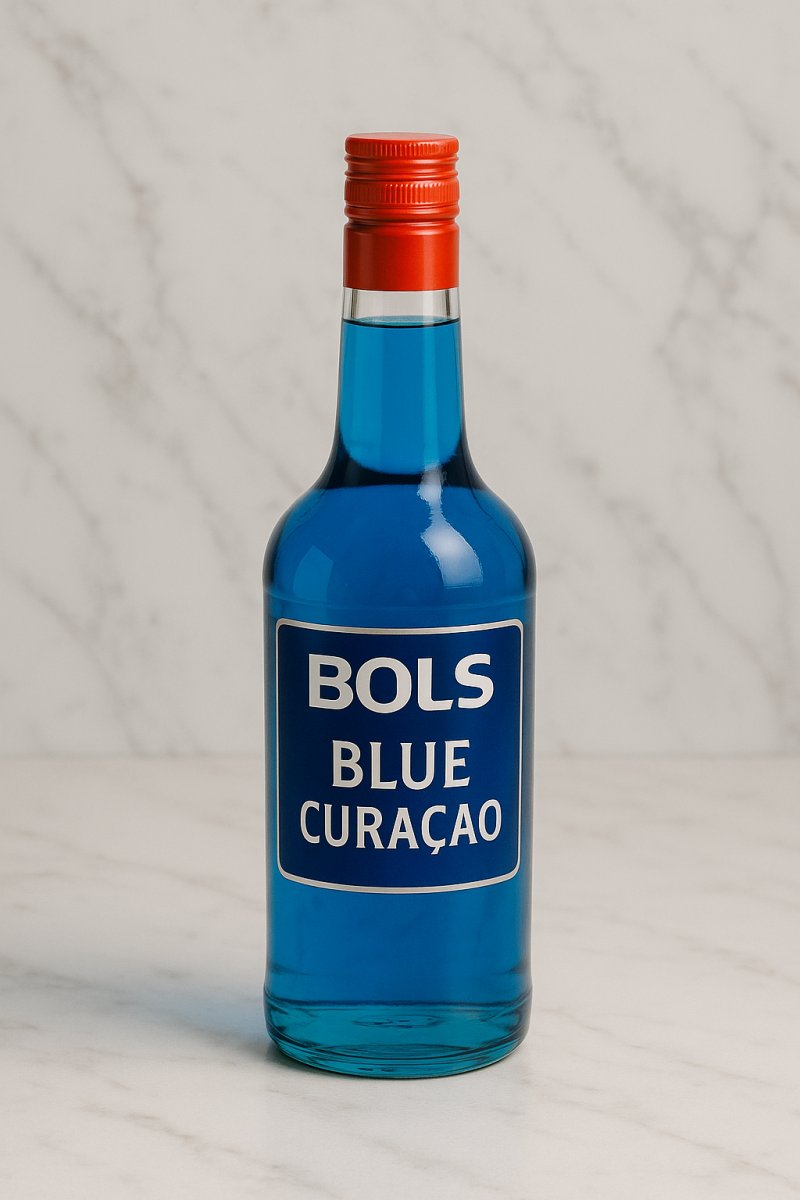
Bols Curacao Blue

Blue orange liqueur with a sweet-citrus Curaçao aroma.

Wiki about Bols Blue Curacao Nutri-Score E Vegan Yes Gluten-free Yes Lactose-free Yes Nut-free Yes
NUTRITION / 100 ml
250 kcal 0.0 g Protein 35.0 g Kohlenhydrate 0.0 g Fett

Introduction

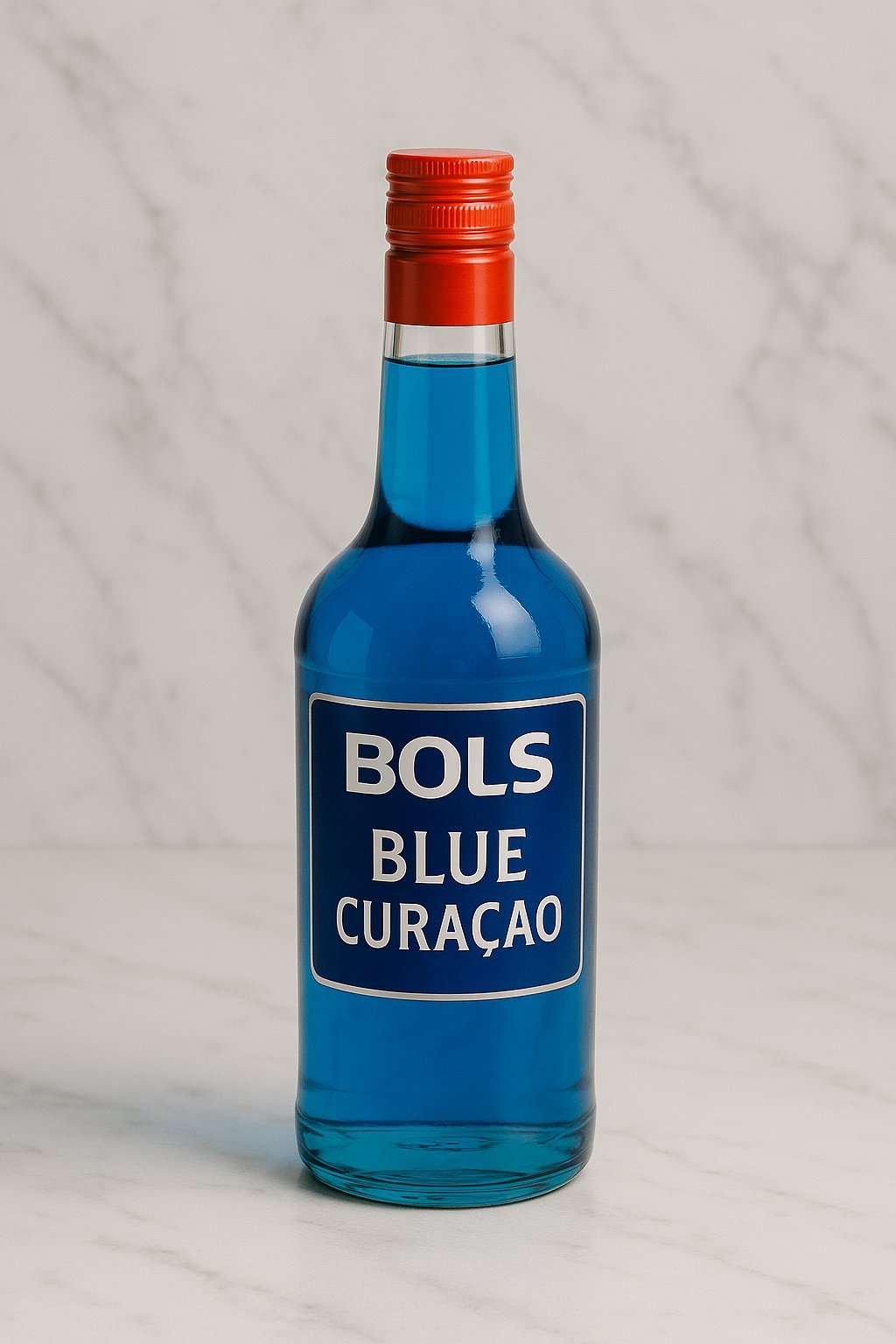
Bottle of Bols Curacao Blue (blue orange liqueur)
I still remember the first evening I held a bottle of Bols Curacao Blue in my hands: the glass shimmered under the bar lights like a small Caribbean sea, and I could hardly believe such an intense blue came from a bottle. For me this liqueur is less a drink than a mood lifter – it works like a visual wink that says: today we'll experiment and laugh.

Bols Curacao Blue is an orange liqueur with character. It is based on the Curaçao liqueur tradition, where the peels of the bitter Laraha orange play a central role, bringing spicy‑bitter citrus notes. At the same time it is sweet enough to make cocktails velvety and harmonious without overpowering the other ingredients. The vivid blue is of course more than decoration: it's a design element that makes drinks immediately recognizable and photographable.

I've tried it in classic and unusual combinations: once with a friendly white rum, lime juice and a splash of soda water – simple and refreshing; another time it fit perfectly into a dessert, complementing passionfruit and vanilla. A colleague of mine swears by adding a hint of it to a chocolate sauce, because the orange bitterness pleasantly cuts the sweetness.

Practical tips I've collected during my bar nights:

  • Mixing: Pairs well with vodka, rum or gin; always balance with enough acidity (lemon/lime).
  • Appearance: A drop turns any drink into an eye‑catcher – ideal for party drinks.
  • Cooking: Goes well with sorbets, glazes and summer fruit desserts.
What I particularly appreciate about Bols Curacao Blue is its ability to tell stories: a bit of exotica, a dash of nostalgia and openness to experimentation. It's a tool for anyone who wants to play with color and flavor without compromising.

Availability & types

Bols Blue Curaçao is a well-known orange liqueur often seen in colorful cocktails. In this section I explain in simple terms where it comes from, where the ingredients grow and what varieties exist. I don't use complicated words – or I briefly explain them – so that even a 12‑year‑old can understand.

Origin
The story of Curaçao begins on the Caribbean island of Curaçao. There, in the past, special bitter oranges grew, called Laraha. These oranges are not meant to be eaten; they are too bitter. But their peels are very fragrant and give a strong orange flavor. The first liqueurs using this orange oil were produced there. The company Bols comes from the Netherlands and helped spread the idea. That's why the liqueur is called Blue Curaçao – the "Blue" comes from the blue color many producers add because it looks nice and evokes the sea and holidays.

Growing regions
Originally the important oranges for Curaçao came from the island of Curaçao. Today, however, similar citrus peels and flavorings are also harvested elsewhere or replaced artificially. That means:

  • On Curaçao the Laraha oranges were discovered and used first.
  • Today many companies source orange oils or flavors from other warm countries because it is more practical and cheaper.
  • Some flavors are also made artificially. "Artificial" here means: people recreated the taste in a lab instead of actually pressing the peel.
Available types and variants
There is not just one kind of Blue Curaçao. Here are the main variants, described as if for children:

  • Bols Blue Curaçao (classic) – the well‑known bright blue bottle. It's used to color drinks blue. It tastes of orange but is sweet and alcoholic.
  • Clear/White Curaçao – a clear version without color. Imagine the same drink but without the blue dye. Good when the color should not be noticeable.
  • Orange/Gold Curaçao – some variants are amber‑colored and seem more refined. Similar in taste, sometimes a bit stronger.
  • Light or low‑sugar versions – some bottles contain less sugar. It's like drinking a beverage with less candy sugar.
  • Other brands – besides Bols there are many manufacturers (e.g. DeKuyper, Giffard). They all call the product "curaçao", but taste and strength (how much alcohol is in it) can vary.
Availability
Bols Blue Curaçao is widely available in many countries. You can buy it in liquor stores, well‑stocked supermarkets or online. Bars and restaurants often use it for cocktails. If you're curious: ask an adult to show it to you – because this drink contains alcohol and is intended for adults only.

In summary: Bols Blue Curaçao has its roots on the island of Curaçao, uses the scent of orange peels and comes in different colors and recipes. Some versions are clear, others light blue or amber; there are sweeter or lighter variants and many producers. Because it contains alcohol, it is a product for adults and children should not drink it.
Details & nutrition

Property Value
Unit ml
Calories per 100 250
Protein per 100 0.0
Carbohydrates per 100 35.0
Sugar per 100 35.0
Fat per 100 0.0
Saturated fat per 100 0.0
Monounsaturated fat 0.0
Polyunsaturated fat 0.0
Fiber per 100 0.0
Vitamin C (mg) per 100 0.0
Vitamin D (IU) per 100 0
Calcium (mg) per 100 0
Iron (mg) per 100 0.0
Nutri-Score E
CO₂ footprint ca. 0,7 kg CO2e pro Liter
Origin Netherlands
Gluten-free Yes
Lactose-free Yes
Nut-free Yes
Vegan Yes
Note Liqueur (alcoholic, approx. 21% vol); typically used as a cocktail ingredient; high sugar content.

Technical & scientific information

Bols Curaçao Blue is a commercial liqueur type based on the Curaçao flavour profile and characterized by a distinctive intense blue colouring. Originally "Curaçao" refers to a bitter orange extract from the island of Curaçao (Laraha, Citrus × aurantium), whose essential oils provide the typical aromatic profile with bitter‑sweet citrus notes. The modern brand Lucas Bols combines this aroma with sugar, ethanol and food colourings into a flavoured, sweetened spirit product.

Composition and ingredients
Typical ingredients of a Blue Curaçao like Bols are:

  • Neutral alcohol (ethanol): carrier and solvent for the flavourings; common commercial strengths are often between 20–30 % vol., in Bols Blue Curaçao typically around 21 % vol.
  • Water: dilution to drinking strength.
  • Sugar or sugar syrup: sweetener to balance bitterness; sugar content varies but is typically in a range that makes the liqueur clearly sweet.
  • Flavourings: extracts or distillates of the Laraha/bitter orange and possibly complementary natural or nature‑identical flavour compounds (terpenes such as limonene, linalool and citral).
  • Colourants: for the blue colour Brilliant Blue FCF (E133) is commonly used; other dyes may be added depending on the recipe.
  • Acidifying and stabilising agents: citric acid or similar acids for pH adjustment and shelf life; occasionally antioxidants or fining agents.
Manufacturing process (brief)
Industrial production includes several standard steps: extraction of flavour compounds by maceration of (dried) peels or by steam distillation to obtain essential oils; rectification of the base spirit; blending of flavourings with ethanol, water and sugar syrup; fine‑tuning of sweetness, alcohol content and acidity; addition of the colourant; filtration and bottling. Traditional variants may undergo additional maturation or ageing phases, while industrial brands rely on reproducible blending operations.

Chemical and sensory characteristics
Aromatically dominated are terpenes and oxygenated compounds from the bitter orange peel, primarily limonene, linalool and citral, which produce citrus freshness, floral notes and slight bitterness. The blue pigments are synthetic and photostable enough for beverage applications. The pH typically lies in the slightly acidic range (about pH 3–4), which supports microbiological stability.

Nutritional values and energy estimate
Calorie content depends on alcohol and sugar content. For estimation: ethanol provides approx. 7 kcal/g, sugar about 4 kcal/g. At 21 % vol. (≈16–17 g ethanol per 100 ml) and a sugar content of e.g. 150–250 g/L (15–25 g/100 ml) a rough energy range of around 180–260 kcal per 100 ml results. Exact values vary by recipe and manufacturer.

Health aspects and regulation
Blue Curaçao is an alcoholic product and is subject to the usual risks of ethanol (acute intoxication, long‑term risks, interactions with medications). The high sugar content contributes to calorie intake and metabolic load. Colourants like E133 are permitted in many countries but may cause reactions in sensitive individuals; mandatory labelling is required. Pregnant or breastfeeding people and those with certain medical conditions should avoid alcohol.

Use
Bols Curacao Blue is mainly used as a bar ingredient in cocktails to achieve, besides flavour, clearly visible colour effects. Due to its sweet profile it is suitable for mixed drinks, sours and as a colour accent.

In summary, Bols Curaçao Blue is an industrially produced ethanol‑based liqueur with a bitter‑citrus aromatic profile, significant sugar content and synthetic blue colouring; its chemical composition and sensory properties are designed for shelf life, consistency and optimal mixability in the bar context.

Wiki entry for: Bols Blue Curacao
Active now: 20 visitors of which 2 logged-in members in the last 5 minutes