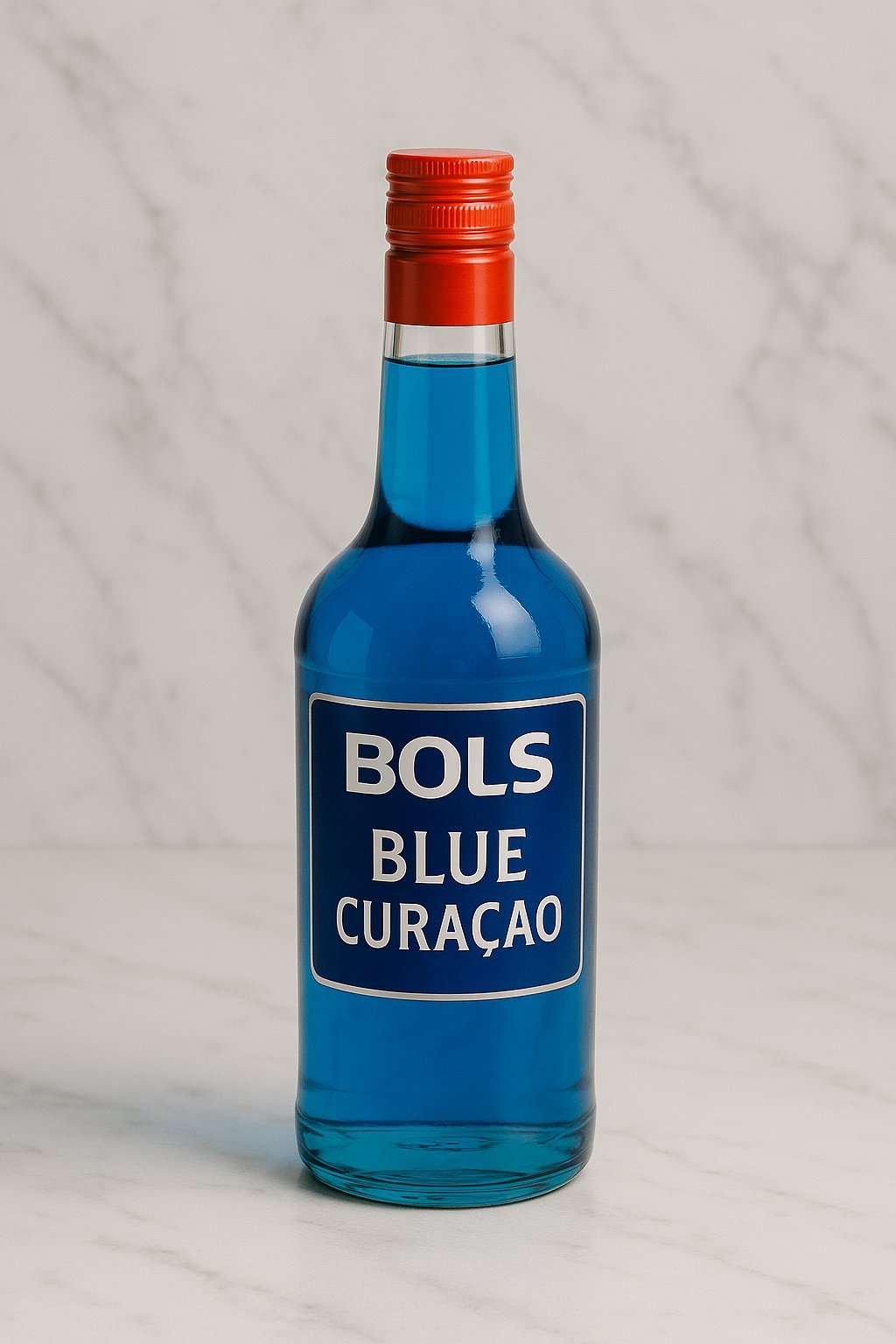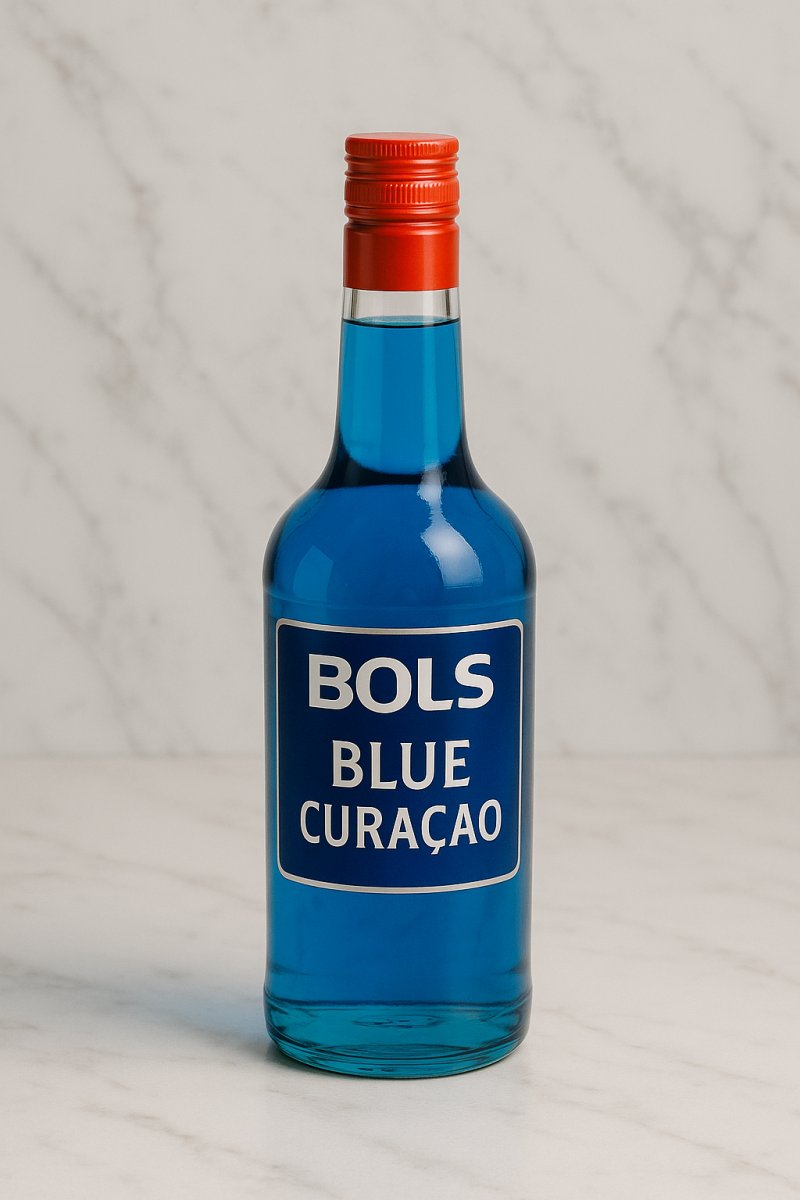
Bols Blue Curaçao is a well-known orange liqueur often seen in colorful cocktails. In this section I explain in simple terms where it comes from, where the ingredients grow and what varieties exist. I don't use complicated words – or I briefly explain them – so that even a 12‑year‑old can understand.
Origin
The story of Curaçao begins on the Caribbean island of Curaçao. There, in the past, special bitter oranges grew, called Laraha. These oranges are not meant to be eaten; they are too bitter. But their peels are very fragrant and give a strong orange flavor. The first liqueurs using this orange oil were produced there. The company Bols comes from the Netherlands and helped spread the idea. That's why the liqueur is called Blue Curaçao – the "Blue" comes from the blue color many producers add because it looks nice and evokes the sea and holidays.
The story of Curaçao begins on the Caribbean island of Curaçao. There, in the past, special bitter oranges grew, called Laraha. These oranges are not meant to be eaten; they are too bitter. But their peels are very fragrant and give a strong orange flavor. The first liqueurs using this orange oil were produced there. The company Bols comes from the Netherlands and helped spread the idea. That's why the liqueur is called Blue Curaçao – the "Blue" comes from the blue color many producers add because it looks nice and evokes the sea and holidays.
Growing regions
Originally the important oranges for Curaçao came from the island of Curaçao. Today, however, similar citrus peels and flavorings are also harvested elsewhere or replaced artificially. That means:
Originally the important oranges for Curaçao came from the island of Curaçao. Today, however, similar citrus peels and flavorings are also harvested elsewhere or replaced artificially. That means:
- On Curaçao the Laraha oranges were discovered and used first.
- Today many companies source orange oils or flavors from other warm countries because it is more practical and cheaper.
- Some flavors are also made artificially. "Artificial" here means: people recreated the taste in a lab instead of actually pressing the peel.
Available types and variants
There is not just one kind of Blue Curaçao. Here are the main variants, described as if for children:
There is not just one kind of Blue Curaçao. Here are the main variants, described as if for children:
- Bols Blue Curaçao (classic) – the well‑known bright blue bottle. It's used to color drinks blue. It tastes of orange but is sweet and alcoholic.
- Clear/White Curaçao – a clear version without color. Imagine the same drink but without the blue dye. Good when the color should not be noticeable.
- Orange/Gold Curaçao – some variants are amber‑colored and seem more refined. Similar in taste, sometimes a bit stronger.
- Light or low‑sugar versions – some bottles contain less sugar. It's like drinking a beverage with less candy sugar.
- Other brands – besides Bols there are many manufacturers (e.g. DeKuyper, Giffard). They all call the product "curaçao", but taste and strength (how much alcohol is in it) can vary.
Availability
Bols Blue Curaçao is widely available in many countries. You can buy it in liquor stores, well‑stocked supermarkets or online. Bars and restaurants often use it for cocktails. If you're curious: ask an adult to show it to you – because this drink contains alcohol and is intended for adults only.
Bols Blue Curaçao is widely available in many countries. You can buy it in liquor stores, well‑stocked supermarkets or online. Bars and restaurants often use it for cocktails. If you're curious: ask an adult to show it to you – because this drink contains alcohol and is intended for adults only.
In summary: Bols Blue Curaçao has its roots on the island of Curaçao, uses the scent of orange peels and comes in different colors and recipes. Some versions are clear, others light blue or amber; there are sweeter or lighter variants and many producers. Because it contains alcohol, it is a product for adults and children should not drink it.