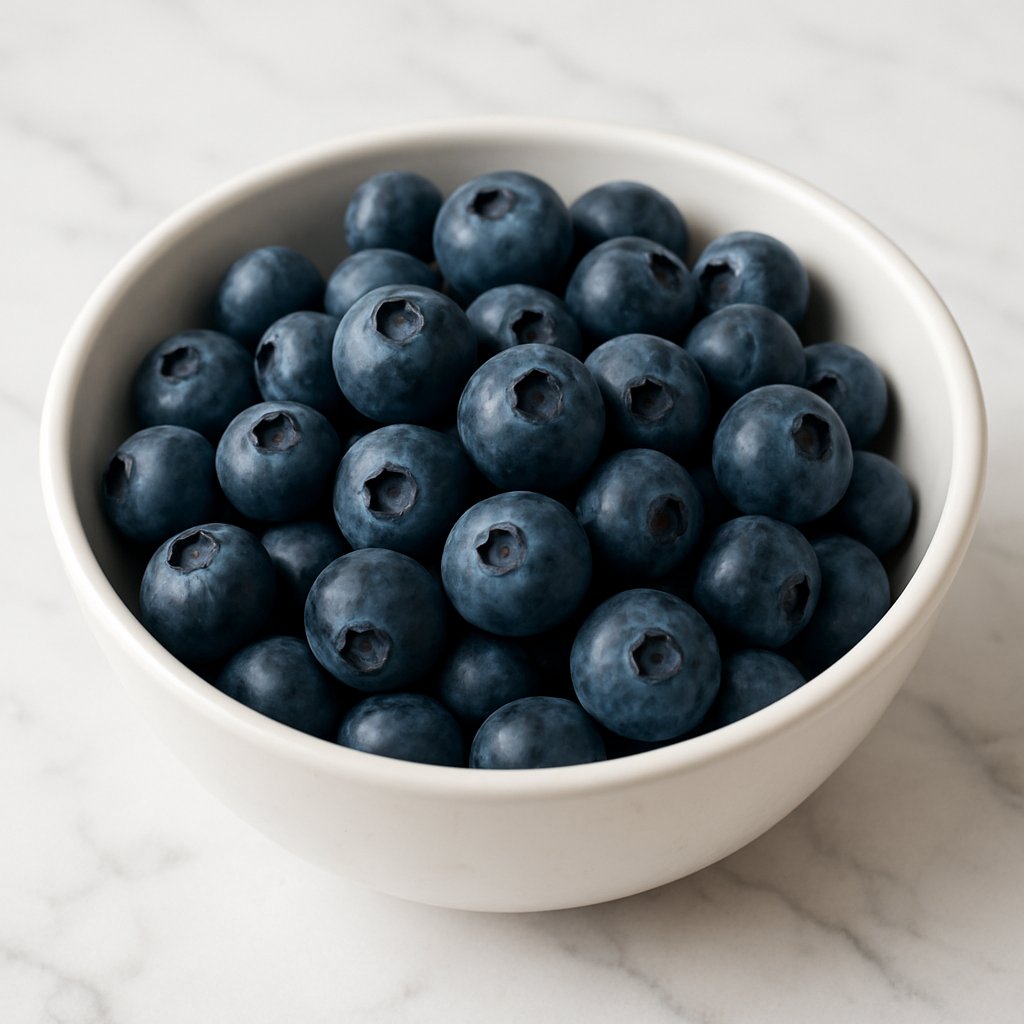
Blueberries are popular with many people – as a snack, in muesli or in cake. When we talk about availability and types we mean two things: where the fruits come from and which different varieties or variants exist. I explain it as simply as possible so it is easy to understand.
Origin
There are two important origins: the wild blueberries found in forests in Europe, and the cultivated varieties grown in gardens and plantations. Wild blueberries (sometimes also called bilberries) are usually smaller and have a strong, intense flavor. The cultivated varieties originally come from North America, where people began breeding larger and juicier plants a hundred years ago.
Growing regions
Blueberries are grown in many places around the world today:
- Northern Europe (e.g. Scandinavia, parts of Germany): wild or cold-hardy varieties often grow here.
- North America (USA, Canada): a large producer of cultivated blueberries; many varieties were bred there.
- South America (e.g. Chile, Peru): supply blueberries during European winter months because it is summer there when it is winter here.
- Southern Europe and Oceania (e.g. Spain, New Zealand): also important growing areas, especially for exports.
This means: fresh blueberries are easiest to find in your region in summer. In winter you often see imported fruit or frozen blueberries in stores.
Available varieties and forms
There are several groups of blueberries. Here are the most important, explained in simple words:
- Highbush: these are the large, round fruits in the supermarket. They are juicy and mild in taste. Many varieties you buy fresh belong to this group.
- Lowbush / Wild blueberries: small, darker and more intense in flavor. These are often gathered in the wild or sold as “wild”.
- Rabbiteye: a variety that grows well in warmer regions. The berries are large and robust.
- Half-High: hybrids that tolerate very cold. Good for regions with severe frost.
There are also preparation variants:
- Fresh – best in summer.
- Frozen – available year-round, practical for smoothies or baking.
- Dried – like raisins, good for muesli.
- As juice or jam – longer-lasting and often more intense in flavor.
- Organic vs. conventional – organic blueberries are grown without synthetic pesticides.
A simple picture: wild blueberries are like small, strong chocolate candies in flavor — few, but very intense. The large cultivated blueberries are more like grapes: more juice, milder taste. Both types are tasty and useful depending on whether you want fruity intensity or many juicy berries. In the supermarket you will therefore often find frozen or imported fruit in winter and very fresh, local blueberries in your area in summer.