Menu & categories

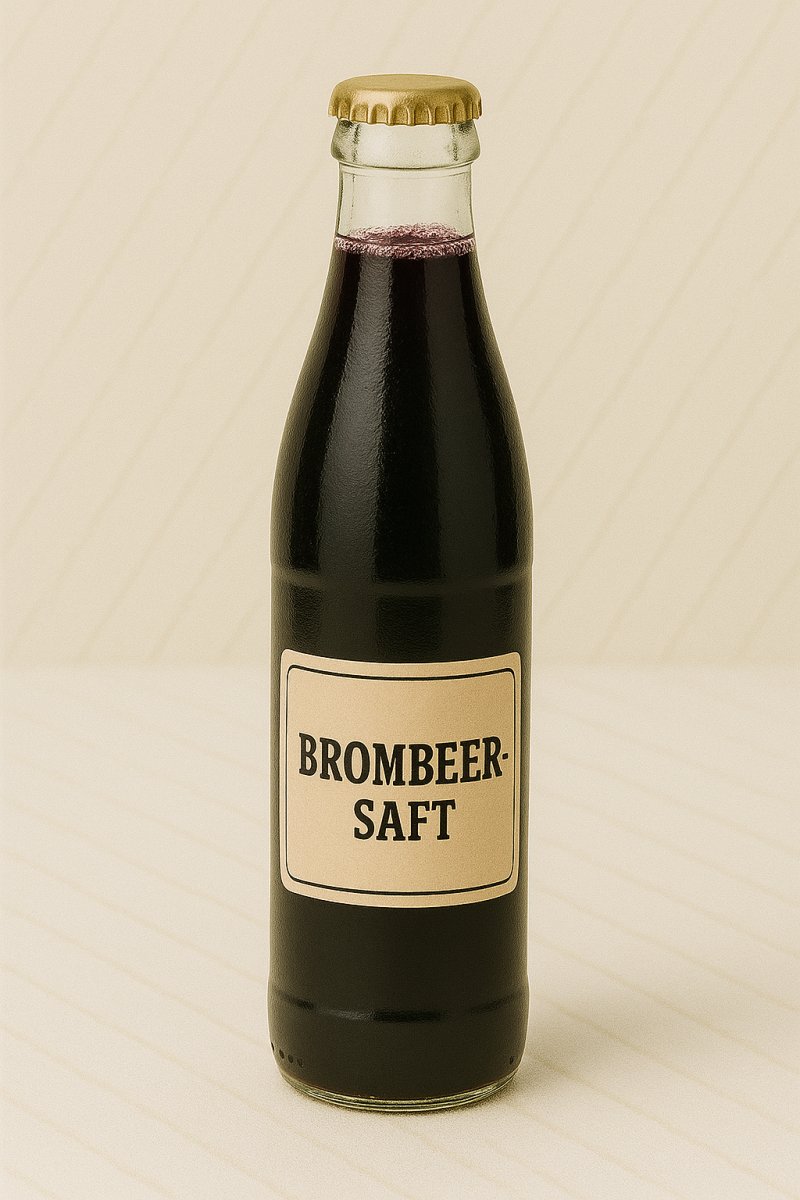
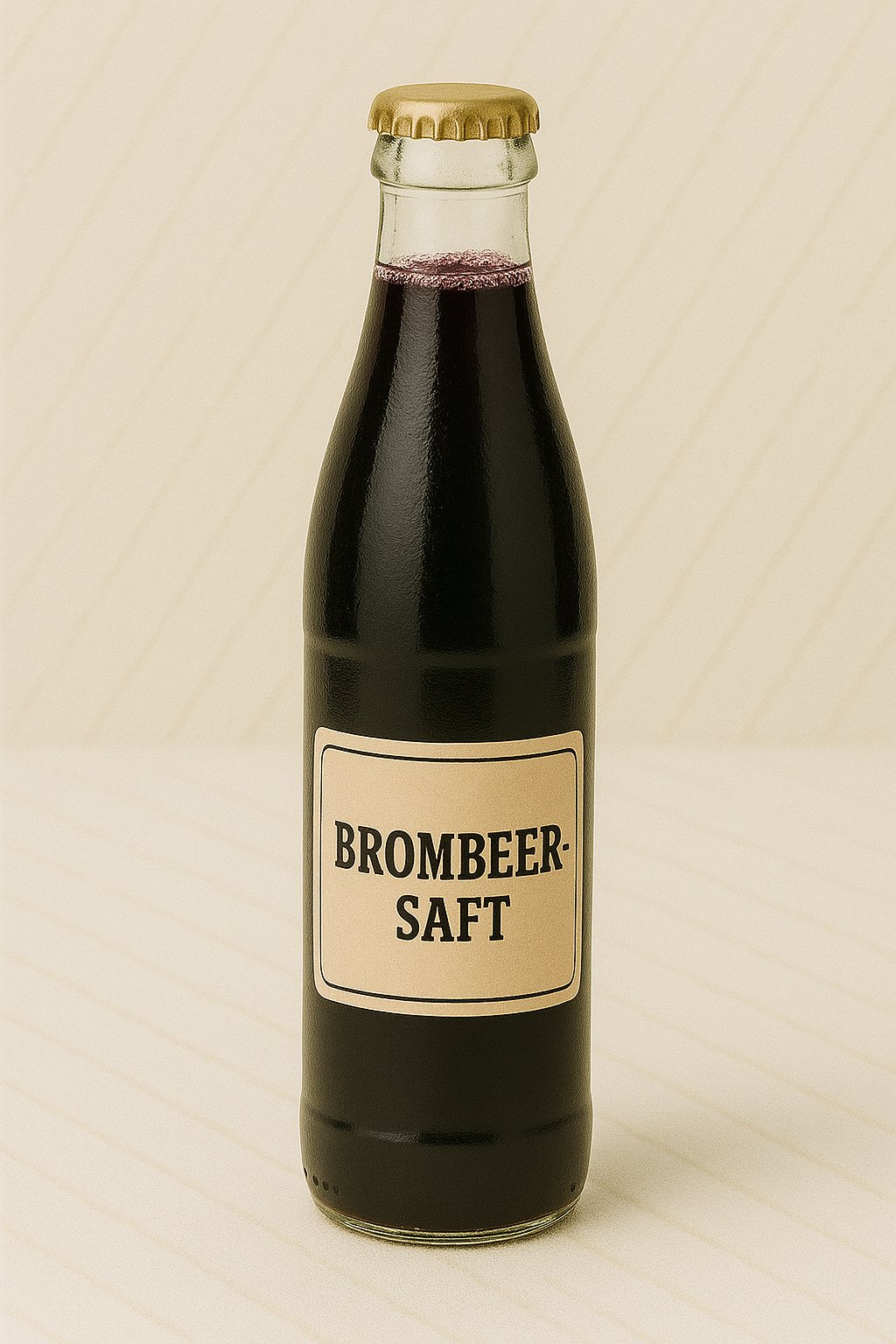
Blackberry juice

Fruity juice from blackberries with a mild tart note.

Wiki about blackberry juice Nutri-Score C Vegan Yes Gluten-free Yes Lactose-free Yes Nut-free Yes
NUTRITION / 100 ml
45 kcal 0.3 g Protein 10.8 g Kohlenhydrate 0.1 g Fett

Introduction

Glass with blackberry juice
Blackberry juice feels to me like a small culinary stroke of luck: dark, velvety and surprisingly versatile. I still remember a late summer day when I stood with friends at a market and tasted a tiny glass of freshly pressed juice. A colleague grinned and said it was “liquid late-summer happiness” — and the phrase stuck. Since then blackberry juice is often the secret ingredient at my home that pushes dishes and drinks in a deeper, fruitier direction. The flavor is an enticing balance of sweetness, fine acidity and a slight bitter-tannic note that evokes red wine but seems much fresher. The juice is especially lively when freshly pressed; from concentrate it gains sweetness but sometimes loses that subtle earthiness. In cooking I particularly value blackberry juice's ability to enhance flavors without dominating them. Practical uses are numerous and often surprising:
  • Finish balsamic or red wine reductions with blackberry juice.
  • Vinaigrettes that turn salads into small celebrations.
  • Sauces for poultry or game that gain a fruity depth.
  • Baked goods like muffins or scones that obtain a moist, aromatic note.
  • Cocktails and mocktails that instantly gain character with a few drops.
A small tip from my own experience: less is more. One tablespoon often achieves what other ingredients need more of. Once I tried to refine a dessert with too much juice and had to balance it later with cream — a lesson I share with a smile. Also, it's worth paying attention to quality: untreated, without added sugar and ideally local, if you like seasonal freshness. For me blackberry juice is a true all-rounder, at home in the kitchen as well as at the bar. It surprises, refines and tells a small piece of summer with every bottle — even when the first frost is already tapping at the windows.

Availability & types


Availability and types of blackberry juice means showing where it comes from, how it is made and which variants you can buy. Blackberries grow on shrubs with small, dark fruits that taste sweet and slightly tart. Juice is pressed from them, which can be drunk pure or used for cooking and mixing.

Origin and growing regions
Blackberries grow best in warm-temperate regions, where summer warmth and sufficient rain occur. Important growing regions include:

  • Europe: Countries such as Germany, Poland, Spain and the United Kingdom grow many blackberries.
  • North America: In the USA and Mexico there are large plantations, especially in mild-climate areas.
  • Other regions: Blackberries are also cultivated in parts of Asia and South America, often for local markets or export.
In addition, wild blackberry growth exists along paths, in woods and hedges. Wild berries are often smaller but very aromatic. Cultivated varieties are larger and more uniform so farmers can achieve higher yields.

Available varieties and formats
Blackberry juice comes in many forms. Here is an easy-to-understand overview:

  • Freshly pressed juice: Obtained directly from the fruit, often in small quantities and found at farmers' markets. It tastes very fresh but is short-lived.
  • Concentrate: Water is removed from the juice to produce a thick concentrate. This is practical because it takes up less space and lasts longer. Before drinking it is usually diluted with water. You can think of it like a syrup you mix with water.
  • Direct juice vs. juice from concentrate: Direct juice is only pressed and bottled as quickly as possible. Juice from concentrate was evaporated and later reconstituted with water. Both variants are available commercially.
  • With or without sugar: Some juices are unsweetened (only fruit), others are sweetened so they taste sweeter – similar to adding sugar to round the flavor.
  • Organic variants: From controlled cultivation without chemical pesticides. Organic juices may be a bit more expensive but are preferred by people who want products as natural as possible.
  • Mixed fruit juices: Blackberry juice is often blended with apple, grape or raspberry juice to make it milder or more versatile in taste.
  • Cold-Pressed: The juice is pressed at low temperature so heat alters the flavor less. It can be compared to the difference between fresh orange juice and one that has been cooked for a long time.
  • Pasteurized: That means briefly heated to kill microbes – similar to warming milk. This makes the juice last longer.
Where to buy blackberry juice
In supermarkets, health-food stores, at weekly markets or online. Small bottles, large cartons or concentrate tubes are possible. Freshly pressed juice is more likely to be found from local vendors.

When you choose a juice, check the ingredient list: does it say only “blackberry juice” or are sugar, flavorings or other juices included? For intense flavor choose direct or cold-pressed juice; for long shelf life choose a concentrate or pasteurized product. That way you find the blackberry juice that best suits your taste and use.
Details & nutrition

Property Value
Unit ml
Calories per 100 45
Protein per 100 0.3
Carbohydrates per 100 10.8
Sugar per 100 9.6
Fat per 100 0.1
Saturated fat per 100 0.0
Monounsaturated fat 0.0
Polyunsaturated fat 0.1
Fiber per 100 0.2
Vitamin C (mg) per 100 10
Vitamin D (IU) per 100 0
Calcium (mg) per 100 15
Iron (mg) per 100 0.3
Nutri-Score C
CO₂ footprint 0.7 kg CO2e/L (Schätzung)
Origin EU
Gluten-free Yes
Lactose-free Yes
Nut-free Yes
Vegan Yes
Note Nutritional values may vary depending on the proportion of direct juice/nectar, variety and processing; information refers to unsweetened blackberry juice.

Technical & scientific information


Blackberry juice is a fruit juice obtained from the fruits of the blackberry (genus Rubus) characterized by a deep violet to black color and a pronounced aroma of sweetness, acidity and slight bitter astringency. Chemically, blackberry juice consists predominantly of water and soluble substances such as sucrose, glucose and fructose, complemented by organic acids, phenolic compounds, vitamins and minerals. Composition varies with variety, ripeness and processing method. Composition and constituents:
  • Water: The largest proportion of the juice, typically over 85–90 weight percent.
  • Carbohydrate metabolism intermediates: Mainly glucose and fructose; sucrose is less dominant depending on ripeness.
  • Organic acids: Primarily malic and citric acid, which influence sour taste and pH stability.
  • Phenolic compounds: Anthocyanins (e.g. cyanidin derivatives), flavonols (e.g. quercetin), ellagitannins and ellagic acid, largely responsible for color, tannic character and antioxidant activity.
  • Vitamins and minerals: Vitamin C in variable amounts, potassium as the most abundant mineral, along with magnesium, calcium and traces of other elements.
Nutritional profile: The energy content of blackberry juice results mainly from the sugars present; typical concentrations lead to a calorie content comparable to other fruit juices (usually 30–60 kcal per 100 ml, depending on dilution and additives). As most fruit fibers are removed during juicing, the fiber content in juice is significantly lower than in whole fruits.

Processing methods: Typical industrial and household production includes several steps:

  • Harvesting and sorting: removal of unusable or spoiled fruits.
  • Pre-cleaning and maceration: cold or warm maceration to release colorants and aromas.
  • Pressing and filtration: separation of solids from the juice; enzymatic treatment (pectinases) is used to improve yield and clarity.
  • Thermal treatment and preservation: pasteurization or thermal concentration reduce microbial spoilage; alternatively aseptic filling or cold-pasteurization methods are used.
  • Concentration and reconstitution: For storage and transport juice can be evaporated and later reconstituted.
Physicochemical properties and stability: The intense color is based on anthocyanins, whose stability is strongly dependent on pH, temperature, oxygen exposure and light. At low pH the pigments appear more stable red-violet; heat and oxygen promote degradation and fading. Polyphenol oxidase and peroxidase activity can cause enzymatic browning, which is why enzyme inactivation by heating or chemical means is common.

Health aspects: Blackberry juice provides secondary plant compounds with antioxidant properties; experimental studies suggest potential anti-inflammatory and vascular effects of anthocyanins and ellagic acid. Nevertheless, the removal of fiber in juice form reduces some metabolic benefits of whole berries. Due to the sugar content, regular high consumption requires attention to energy intake. People with specific health concerns should clarify possible interactions or intolerances with medical advice.

In culinary and industrial use, blackberry juice serves as a beverage, an ingredient in mixed drinks, for making syrups, jellies and desserts and as a natural food color. Its sensory profile and bioactive components also make it an interesting subject of study for food technology and nutrition science.

Wiki entry for: blackberry juice
Active now: 18 visitors of which 2 logged-in members in the last 5 minutes