Availability and types of beef
Beef comes from cattle, i.e. cows and bulls. It is found almost everywhere in the world because people have been keeping cattle for a long time. The origin of an animal influences how the meat tastes: animals that graze on lush pastures often have a different aroma than those fed a lot of grain in barns. In Europe many cattle are raised on farms in countries such as Germany, France or Ireland. In South America, especially in Argentina and Brazil, there are huge grazing areas, which is why a lot of beef is produced there. In North America – particularly in the USA – many cattle are also kept on farms, often with a mix of grazing and later grain feeding.
Important production and breeding regions
- Europe: Many smaller farms, meadows and varied feeding.
- South America: Large pastures, particularly known for juicy steaks.
- North America: Combination of pasture and industrial systems, a lot of beef for the world market.
- Asia and Australia: Australia has large cattle herds and exports a lot of meat; in some parts of Asia cattle are raised locally.
What types of beef are there?
Beef is named differently depending on the part of the animal and the processing. Here are the main types, explained as for a 12-year-old:
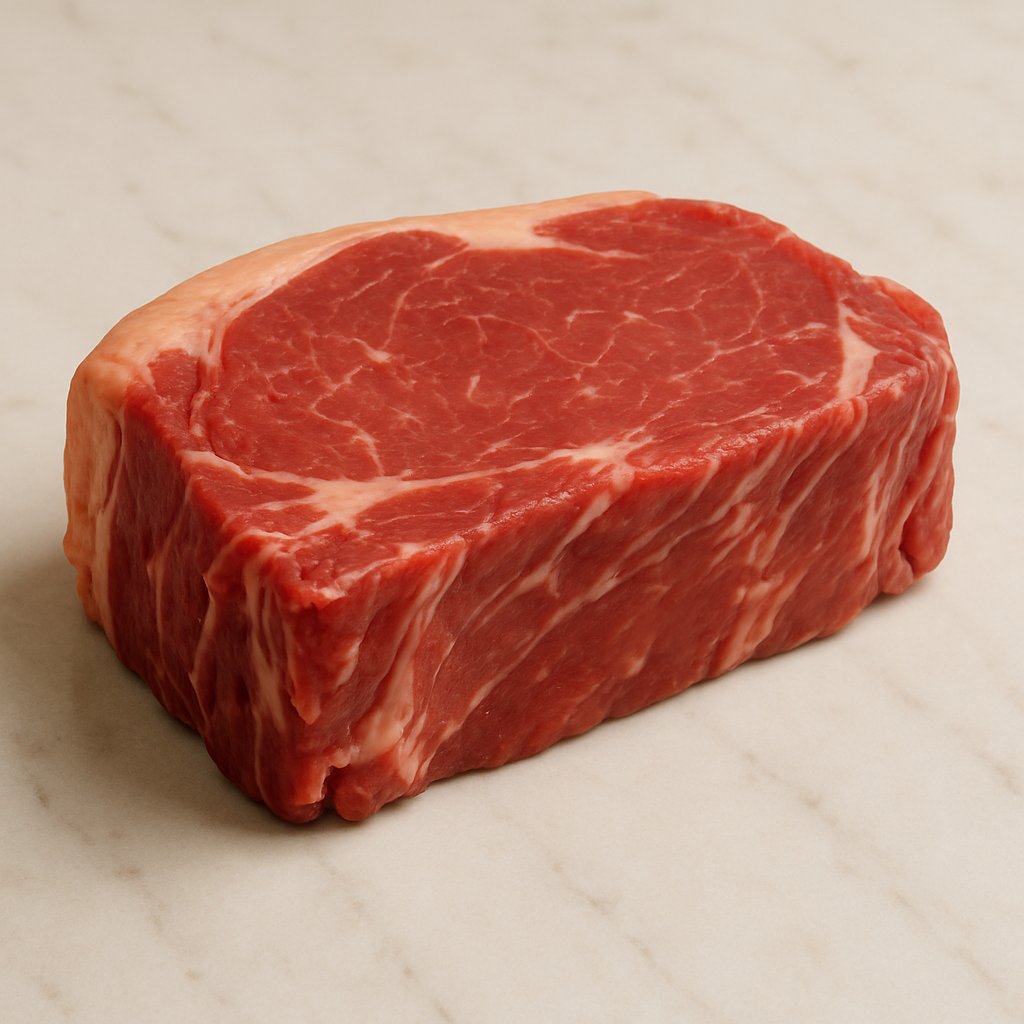
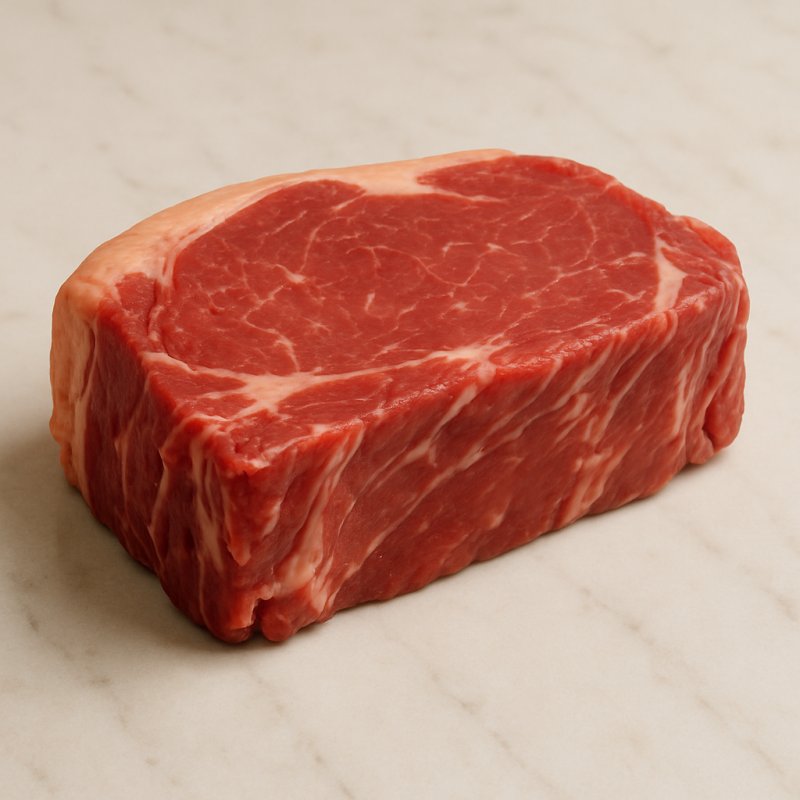
- Steaks: These are thick slices from specific areas, usually tender and quick to cook. Well-known examples are rump steak, fillet and ribeye. Imagine a protein sandwich: the good piece of meat is like the thick slice of cold cut inside it.
- Minced meat (ground): Meat that has been chopped or ground. Perfect for burgers or meatballs. You can think of it like crumbled meat that is easy to shape.
- Roasts: Larger pieces that are slowly cooked in the oven. They are often juicy and suitable for family meals.
- Soup and braising cuts: These cuts are a bit tougher but become very tasty when cooked for a long time or braised. They also give a lot of flavor to soups.
- Sausage products and cold cuts: Beef can also be used to make sausages, pâtés or cold cuts, which are good on bread or as a snack.
Fresh, aged and processed variants
Beef can be sold fresh, meaning it has been chilled after slaughter and comes to the shop soon. Another type is aged meat: the meat is hung for several days or weeks under controlled conditions so that it becomes more tender and flavorful. There are also processed products such as cured meat or canned meat, which are longer lasting.
Labels you find in the shop
- Regional: Often stated on the packaging – this means the cattle came from nearby.
- Organic: Cattle had more space and more natural feeding conditions.
- Labels like "pasture-raised" or "grass-fed": This indicates that the animals mainly ate grass.
In summary: beef is widespread and comes in many forms – from juicy steaks to fine minced meat. Where the meat comes from and how the animals were raised determines taste and quality. Next time you are at the supermarket, you can look for terms like country of origin, pasture-raised or organic to find out which variant you prefer.