Availability and types of beef tenderloin
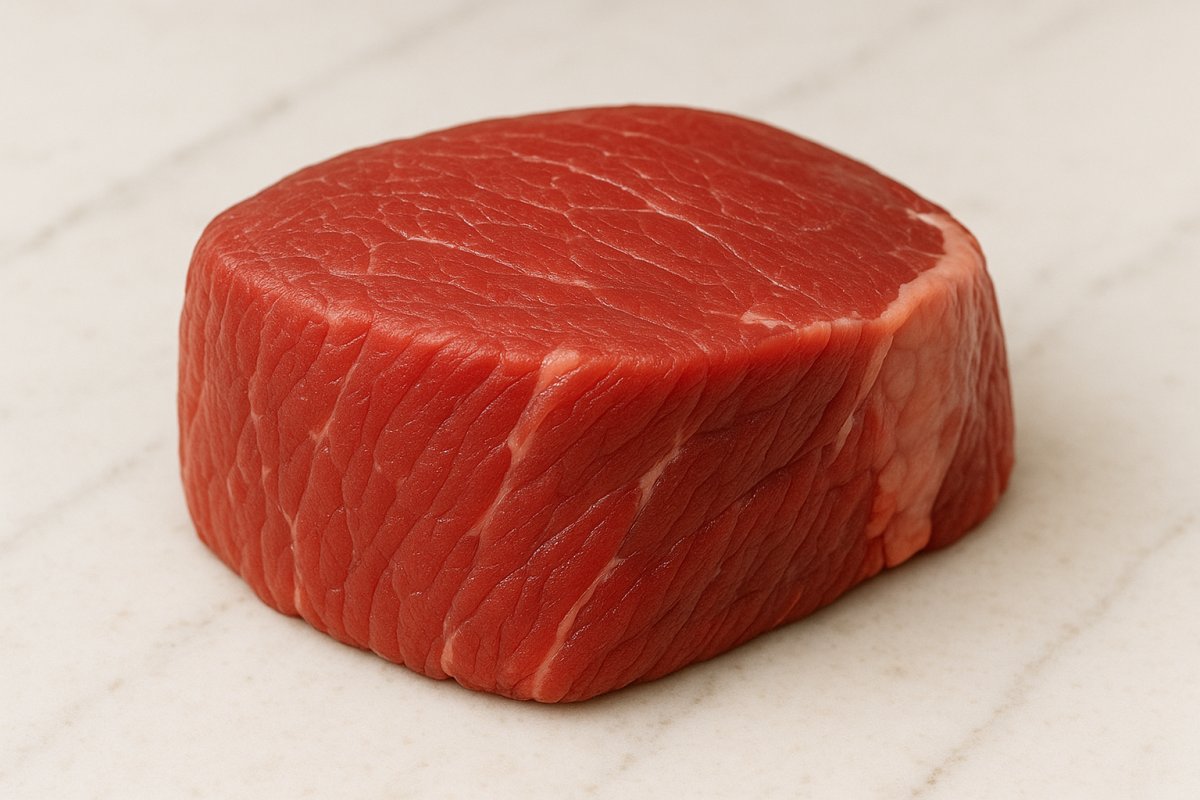
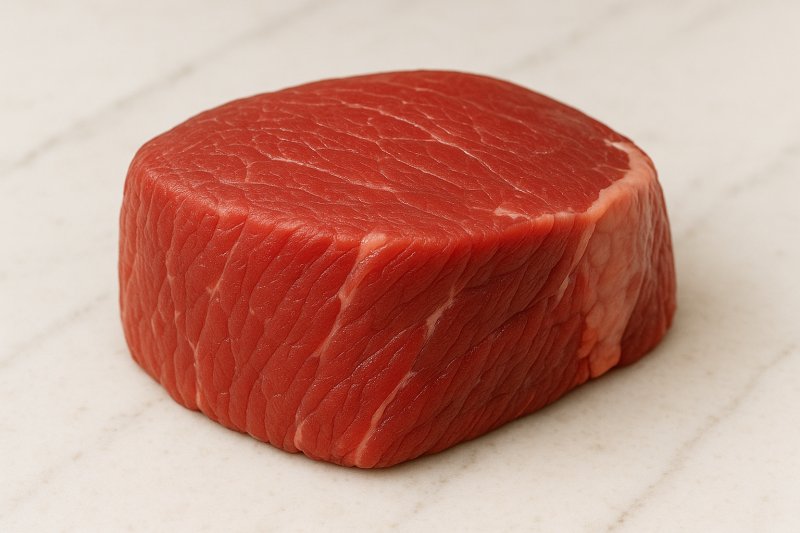
The beef tenderloin is a very tender cut of beef. Imagine pressing on a soft cushion – that's how the tenderloin feels when you eat it. Because it is so tender and delicate, it is often somewhat more expensive and is offered especially in good restaurants or at the butcher's counter.
Origin and rearing/production areas
Beef tenderloin comes from wherever cattle are raised. Important regions of origin include:
- Europe: countries like Germany, France and Ireland supply a lot of beef.
- South America: Argentina, Brazil and Uruguay are known for large cattle herds.
- North America and Australia/New Zealand: these regions also raise and process large numbers of cattle.
The term “Anbaugebiet” is more suited to crops. For meat it is better to speak of origin or rearing areas, meaning where the animals lived. Sometimes the packaging states the country of origin so you know where the meat comes from.
Breeds and differences
There are different cattle breeds that make the meat slightly different. Well-known breeds include Angus, Hereford or Charolais. Some breeds have more fat or a stronger flavor. You can think of it like different apple varieties: some are sweeter, others a little tarter — but they're all apples.
Available cuts and variants
You can get beef tenderloin in various forms and presentations:
- Whole tenderloin: the complete long piece that a butcher sometimes sells whole.
- Steaks: popular cuts include filet steak, chateaubriand (a larger piece for sharing) and tournedos (smaller round medallions).
- Medallions: small round slices from the tenderloin that cook quickly and evenly.
- Tenderloin tips: the thinner ends, suitable for pan dishes.
Fresh, frozen, aged
Tenderloin can be bought fresh, stored frozen or aged. Aged means the meat hangs for some time so its flavor intensifies. There are two types: dry-aged (air-aged – stronger flavor) and wet-aged (aged in vacuum – remains very juicy). When a technical term is used, sellers often explain it.
Quality labels and rearing
Some tenderloins carry labels like organic (animals were raised as naturally as possible), regional seals or international grades like USDA Prime/Choice (these are quality indications from the USA). These marks help to understand how the animals were kept and what the quality is.
In summary: beef tenderloin is available worldwide, in many variants and qualities. You can find it at the butcher, in supermarkets or in restaurants – fresh, frozen or aged. Because of its tenderness it is something special, similar to a particularly soft piece of a cake that you like to treat yourself to.