Menu & categories

Beans

Protein-rich legumes with complex carbohydrates and fiber

Wiki about bean Nutri-Score A Vegan Yes Gluten-free Yes Lactose-free Yes Nut-free Yes
NUTRITION / 100 g
333 kcal 21 g Protein 60 g Kohlenhydrate 1.2 g Fett

Introduction

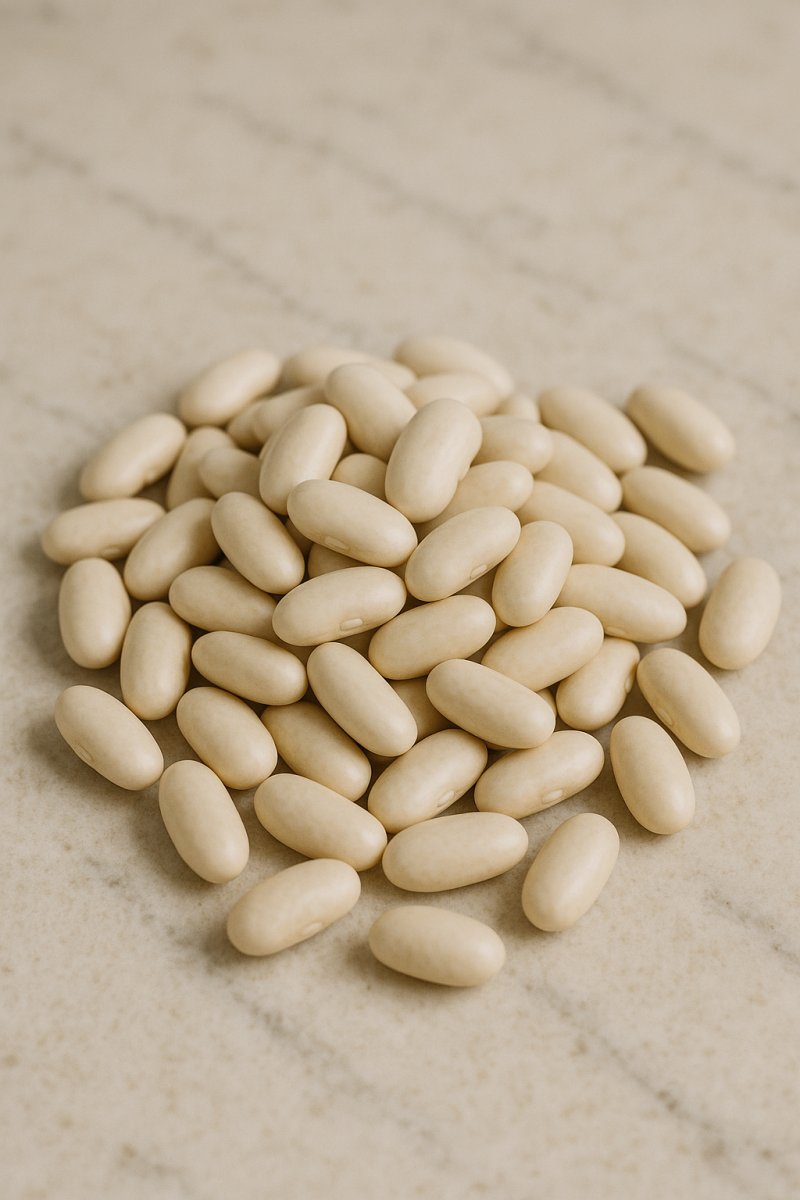
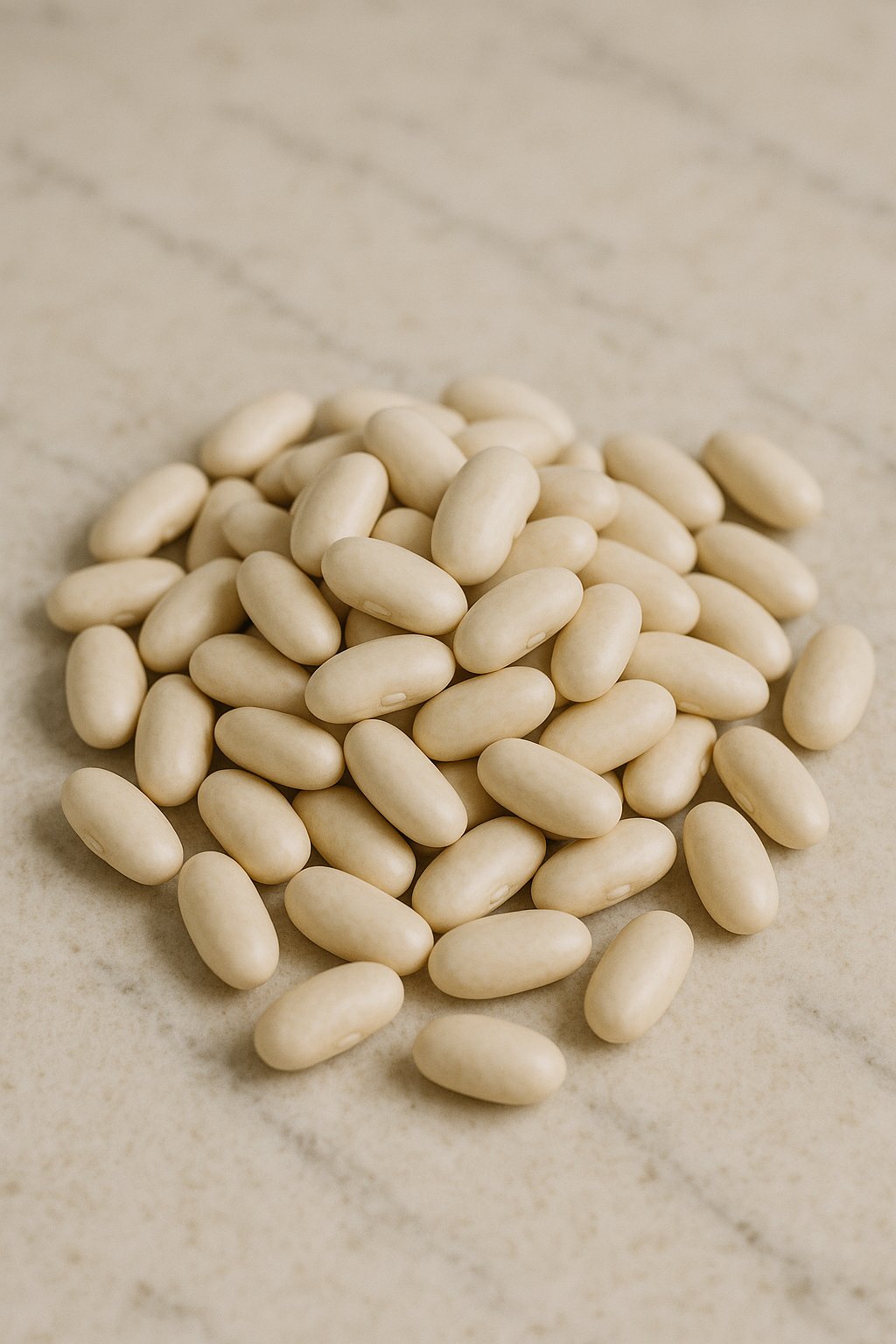
Dried beans in a bowl
I still clearly remember the warm scent of beans that drifted out of my grandmother’s kitchen when I was little. It was never just an ingredient, but a promise: satiety, flavor and stories that stretched across generations. To me, beans are more than legumes; they are small culinary wonders that appear in countless varieties and textures and enrich every kitchen.

I love the variety: from tender kidney beans in a spicy chili to buttery white beans in a creamy stew. Sometimes I cook a large batch, let them cool and turn them into a wide range of dishes. A colleague of mine called it “bean magic,” because from one and the same base you can take so many flavor paths. This flexibility makes beans ideal for weekly meal planners, home cooks and spontaneous dinner parties.

From a nutritional perspective beans are true stars. They provide plant protein, fiber, complex carbohydrates, vitamins and minerals. I particularly appreciate how sustainable beans are as a food: they need comparatively little space and water and can thrive in many regions. This has always impressed me during research and travels through different countries – beans are global, down-to-earth and yet so diverse depending on the culture.

In the kitchen I have developed a few reliable rules that I’m reluctant to give up:

  • Observe soaking time: This reduces cooking time and improves texture.
  • Season with care: Add salt toward the end so the beans become evenly tender.
  • Love variation: Bean purée, salads, soups, stews or sautéed beans – everything is possible.
One of my favorite memories is an improvised dinner with friends where we turned a can of beans, fresh tomatoes and good olive oil into a wonderful dish. It proved to me once again: beans are uncomplicated, warm-hearted and always ready to save the evening. When I cook beans today, I think of those connections – of warmth, of conversations and of the creative freedom this small ingredient gives.

Availability & types

Availability and types

Beans are a very common and versatile ingredient found in almost every part of the world. They grow on plants called “bean plants.” Some beans grow on bushes, others climb on vines. Most beans originally come from Central and South America, while other varieties have their roots in Asia or Africa. Today beans are cultivated in many countries because they are easy to grow and thrive in different climates.

Important growing regions include, for example:

  • Latin America – many bean species originate here, such as common garden beans and kidney beans.
  • North America – also a major producer of beans, especially red kidney beans and pinto beans.
  • Europe – in more southern countries like Spain and Italy beans are frequently cultivated.
  • Asia – here you find especially soybeans and various green bean species.
  • Africa – various indigenous bean species are important for local diets.
Beans come in many different varieties and shapes. They can roughly be divided into two groups: dry beans and fresh or green beans.

  • Dry beans: These are beans harvested when the seeds in the pod are dry. Examples include kidney beans, white beans and pinto beans. You usually buy these beans either dried or canned. Dried beans keep for a long time and are well suited if you want to stock up.
  • Fresh or green beans: These are harvested when the pod is still green and the beans are still soft. This group includes the familiar green beans, runner beans and stringless beans. They taste crisp and fresh, similar to peas or sweet corn.
There are also special varieties with their own colors and flavors:

  • Kidney beans – red and kidney-shaped, popular in chilis and stews.
  • White beans – also known as cannellini or navy beans, they become soft after cooking and are good for soups.
  • Pinto beans – common in Mexican cuisine, they have a speckled skin.
  • Soybeans – processed into tofu, soy milk and other products.
  • Snap beans and green beans – fresh and crunchy, often as a side dish or in salads.
  • Borlotti or cranberry beans – attractively patterned and mild in taste.
In the supermarket you find beans in different forms: fresh in the produce section, pre-cooked in cans, or dried in packets. Dried beans often need to be soaked (placed in water) and then cooked to become tender. Canned beans are already cooked and therefore convenient when you need something quick.

A simple comparison: think of beans as the bread of the plant world – they are nutritious, filling and available in many “varieties,” just like bread can be white, wholegrain or seeded. Whether you use them fresh, from a can or dried, beans are easy to store, inexpensive and add flavor and energy to many dishes.

You can choose beans depending on the recipe and time available: fresh beans for crispy side dishes, dried beans for long-term storage and hearty stews, and canned beans for quick meals. This gives you a good overview of availability and types of beans so you can always make the right choice when shopping or cooking.
Details & nutrition

Property Value
Unit g
Calories per 100 333
Protein per 100 21
Carbohydrates per 100 60
Sugar per 100 2
Fat per 100 1.2
Saturated fat per 100 0.2
Monounsaturated fat 0.1
Polyunsaturated fat 0.6
Fiber per 100 15
Vitamin C (mg) per 100 0
Vitamin D (IU) per 100 0
Calcium (mg) per 100 80
Iron (mg) per 100 5
Nutri-Score A
CO₂ footprint 0.8
Origin Worldwide, mainly America, Europe and Asia
Gluten-free Yes
Lactose-free Yes
Nut-free Yes
Vegan Yes
Note Nutritional values for dried beans (average across common varieties such as white beans, kidney beans and black beans). During cooking, weight and nutrient density change due to water absorption.

Technical & scientific information

Beans are the edible seeds of various plant species in the family Fabaceae (legumes). Common species include the common bean (Phaseolus vulgaris), the broad bean or fava (Vicia faba), the lima bean (Phaseolus lunatus) and the soybean (Glycine max). Botanically, beans are legumes whose seeds mature inside a pod. They are characterized by high genetic diversity, varying sizes, colors and starch structures, and by a long history of cultivation in many world regions.

Chemical composition and nutritional values

  • Beans consist primarily of carbohydrates (30–65% of dry weight), a large portion of which are complex polysaccharides such as starch and non-digestible fibers (in particular fractions of resistant starch and non-starch polysaccharides).
  • Protein content varies by species: common beans and broad beans typically contain 20–30% protein, soybeans reach 35–40%. Bean proteins are mainly globulins and albumins, while lectins and trypsin inhibitors can occur as antinutritional factors.
  • Fat content is generally low (1–5%), with the exception of soybeans which contain considerably more lipids (approx. 18–20%) and a high proportion of polyunsaturated fatty acids.
  • Beans provide important micronutrients such as iron, magnesium, potassium, phosphorus, zinc and B vitamins (particularly folate).
  • Secondary plant compounds include polyphenols (e.g. anthocyanins in dark pods), phytic acid (a mineral chelator) and various saponins.
Processing methods and technological aspects

Before consumption beans are often dried, soaked, cooked or fermented. Drying serves storage stabilization, while soaking (several hours in water) initiates water uptake and swelling processes that reduce cooking time and decrease levels of water-soluble antinutritional substances such as phytic acid and lectins.

Cooking denatures proteins, inactivates heat-labile lectins and trypsin inhibitors and increases the digestibility of starch. Certain processing steps like sprouting or fermentation increase nutrient bioavailability and reduce phytic acid levels through activation of phytase.

Health aspects

  • Beans are considered a valuable plant protein source and are favorable for a low-cholesterol diet because they contain soluble fiber that can lower LDL cholesterol.
  • The high fiber content contributes to gut health, modulates glucose uptake and has prebiotic effects by promoting short-chain fatty acid production by the gut microbiota.
  • Phytic acid can reduce absorption of iron and zinc; soaking, sprouting or fermenting can mitigate this effect.
  • Lectins in raw or insufficiently cooked beans can cause gastrointestinal discomfort; common cooking processes typically inactivate these proteins reliably.
  • In people with certain metabolic disorders (e.g. G6PD deficiency) some bean species (e.g. broad beans) should be consumed with caution, as they can trigger a hemolytic reaction (favism).
Applications in nutrition and food technology

Beans are used whole, as flour, protein isolates or textured vegetable proteins. Soy products provide essential amino acids and are a basis for textured products in the meat-alternative sector. Bean flours improve baked goods by water binding and fiber content, but may require adjustments in dough handling as they do not replace gluten.

Summary: Beans are nutrient-rich legumes with high protein and fiber content as well as important minerals. Their nutritional benefits depend on species and processing. Technologically, antinutritional factors can be reduced by targeted processing, making beans a versatile and sustainable source of plant nutrients used in both traditional and industrial applications.

Wiki entry for: bean
Active now: 6 visitors of which 2 logged-in members in the last 5 minutes