Availability and types
Soybean sprouts are the young shoots of the soybean. You can buy them in many supermarkets, at markets and health-food stores, or even grow them at home. The origin of the sprouts depends on where the soybeans were grown. Soybeans originally come from East Asia, especially China, Japan and Korea, where people have used them as food for thousands of years. Today, however, soybeans are grown in many countries, for example Brazil, the USA, India and parts of Europe. That means the sprouts in stores can come from very different places.
Growing regions
Soybeans need warm weather and sufficient water, so they grow well in warmer regions with plenty of sun. In Germany and other European countries soybeans are also cultivated, but often on a smaller scale. For mass production a large share of soybeans travels long distances to other countries. At markets you also often see regionally grown sprouts from smaller farms or organic producers that are closer to home.
Soybeans need warm weather and sufficient water, so they grow well in warmer regions with plenty of sun. In Germany and other European countries soybeans are also cultivated, but often on a smaller scale. For mass production a large share of soybeans travels long distances to other countries. At markets you also often see regionally grown sprouts from smaller farms or organic producers that are closer to home.
Available varieties
There are different varieties of soybean sprouts. The differences are not as large as with apples or tomatoes, but they are important:
There are different varieties of soybean sprouts. The differences are not as large as with apples or tomatoes, but they are important:
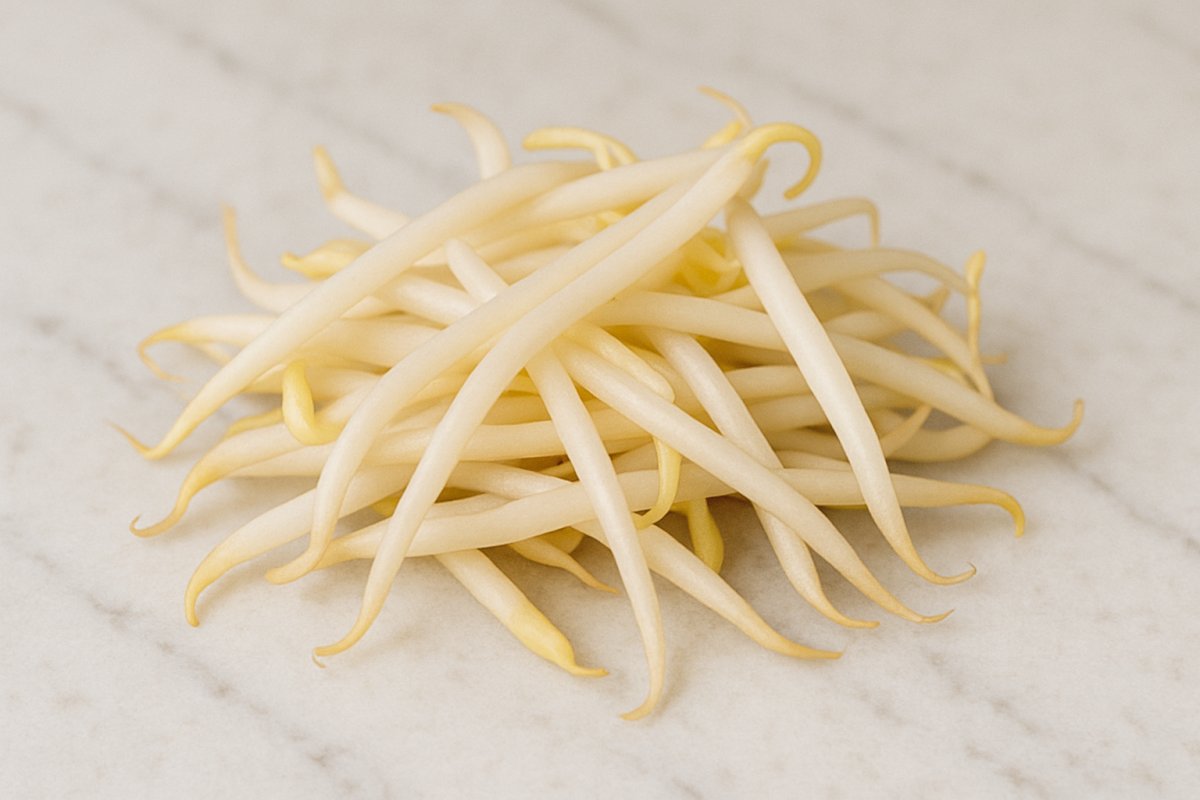
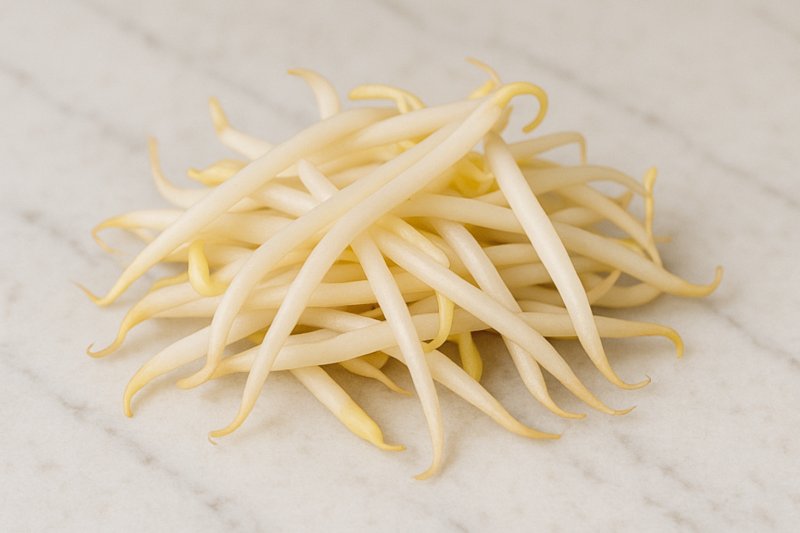
- White soybean sprouts: These are the most common. They are mild in taste, crunchy and used in salads, stir-fries or soups.
- Yellow soybean sprouts: Some beans have a slightly yellowish seed coat and produce sprouts that can be somewhat fuller in flavor. They are similar in use to the white ones.
- Green soybean sprouts: If the sprouts grow longer and develop small leaves they become greenish. These more 'sprouty' variants resemble young plants a bit and often have more flavor and nutrients.
- Bean-sprout mixes: On the market you sometimes find mixes of soybean sprouts and other sprouts like mung bean sprouts. Such mixes bring different textures and tastes together — similar to a fruit salad with various fruits.
Packaging and shelf life
Soybean sprouts are usually sold in plastic bags or trays. Fresh sprouts are crunchy and moist; if they look slimy or smell unpleasant they have gone bad and should not be eaten. In the refrigerator they usually keep for a few days. If you want to store sprouts longer, there are also vacuum-packed or pasteurized varieties that last longer — similar to some juices that remain on the shelf longer because they have been treated.
Soybean sprouts are usually sold in plastic bags or trays. Fresh sprouts are crunchy and moist; if they look slimy or smell unpleasant they have gone bad and should not be eaten. In the refrigerator they usually keep for a few days. If you want to store sprouts longer, there are also vacuum-packed or pasteurized varieties that last longer — similar to some juices that remain on the shelf longer because they have been treated.
Organic and conventional
There are both conventional and organic soybean sprouts. Organic means that fewer or no chemical pesticides and fertilizers were used in cultivation. Many people choose organic because they believe it is healthier for the environment and consumers. Conventional products can often be cheaper, while organic sprouts are usually a bit more expensive but come from controlled, more environmentally friendly growing conditions.
There are both conventional and organic soybean sprouts. Organic means that fewer or no chemical pesticides and fertilizers were used in cultivation. Many people choose organic because they believe it is healthier for the environment and consumers. Conventional products can often be cheaper, while organic sprouts are usually a bit more expensive but come from controlled, more environmentally friendly growing conditions.
Growing them yourself
You can also grow soybean sprouts at home in a jar with water or in special sprouting jars. It's like a small experiment: you soak the beans in water, rinse them daily and after a few days the sprouts are ready. It's inexpensive, fun and you know exactly where the sprouts come from — almost like growing your own little plant.
You can also grow soybean sprouts at home in a jar with water or in special sprouting jars. It's like a small experiment: you soak the beans in water, rinse them daily and after a few days the sprouts are ready. It's inexpensive, fun and you know exactly where the sprouts come from — almost like growing your own little plant.
In summary, soybean sprouts are easy to obtain and come from many countries. There are different varieties and packaging types, from fresh to longer-lasting options, as well as organic choices. If you want, you can also easily grow them yourself and always have fresh sprouts on hand.