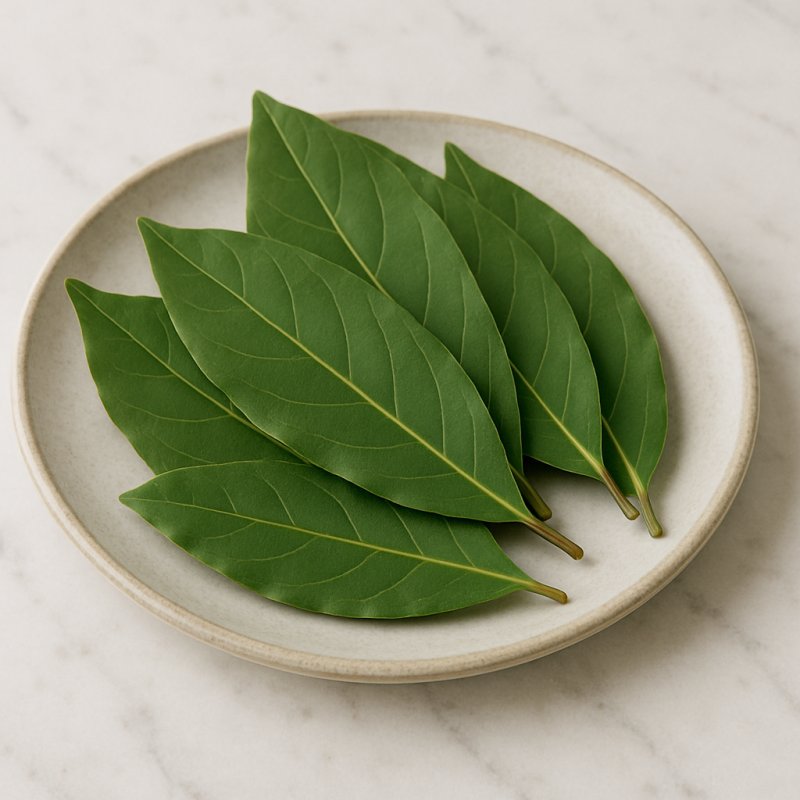
Availability and types of bay laurel
The bay laurel is an aromatic leaf used in many kitchens around the world. It originally comes from the Mediterranean region, that is from countries like Spain, Italy, Greece and Turkey. There the bay laurel grows on evergreen trees and shrubs that stay green even in winter – similar to an evergreen hedge in the garden.
Today, however, bay is not only cultivated in the Mediterranean. Through trade and gardening it can also be found in other warm regions, for example in parts of South America, Australia or North Africa. In cooler countries bay is often seen in pots on balconies or in conservatories, because the plant can be damaged by severe frost outdoors.
Main growing regions
- Mediterranean: Spain, Italy, Greece, Turkey – these are the classic places of origin and here bay grows particularly well.
- Southern Europe and North Africa: Portugal, France (southern regions), Morocco and Algeria.
- More distant regions: Australia, New Zealand, parts of South America and North America — often for cultivation and export.
Available varieties and types
There is not just a single species of bay. You can find various varieties that differ in size, leaf shape and scent. Here are some you might know:
- Common bay (Laurus nobilis): This is the classic kitchen form most often sold as dried bay leaves. The leaves are glossy, elongated and have a warm, slightly bitter scent. They are often used in soups, stews and sauces.
- California bay (Umbellularia californica): This North American tree has stronger and sharper leaves than the common bay. Its taste can be more intense, so it should be used more sparingly. It is sometimes also called "Oregon bay".
- Bay as an ornamental plant: Some varieties are planted in gardens or used as hedges. These are often larger or denser to look good, and are also sold as container plants. They are practical if you want to harvest fresh leaves.
- Dried vs. fresh leaves: Fresh leaves have a fresher, greener scent, dried leaves are milder and longer lasting. In supermarkets you mostly find dried bay leaves; fresh ones are available at farmers' markets, in some supermarkets or directly from your own garden.
How and where to get bay?
- Supermarkets: Here you usually find dried bay leaves in the spice aisle.
- Health food stores and farmers' markets: They often offer fresh leaves or organic bay from gentler production methods.
- Plant centres and nurseries: If you want a bay bush or tree in your garden or pot, you'll find small plants to buy here.
- Online: Spices, seeds and plants are also sold online – convenient if nothing is available locally.
In summary: bay is easy to obtain, either as dried leaves in the supermarket or as a fresh plant in the garden centre. There are different species – from the classic culinary bay to regional variants – and depending on which variety you have the taste can be a bit milder or stronger. If you have a small pot of bay at home you can harvest fresh leaves at any time and thus keep a quick, natural supply.
