Menu & categories

Balsamic vinegar

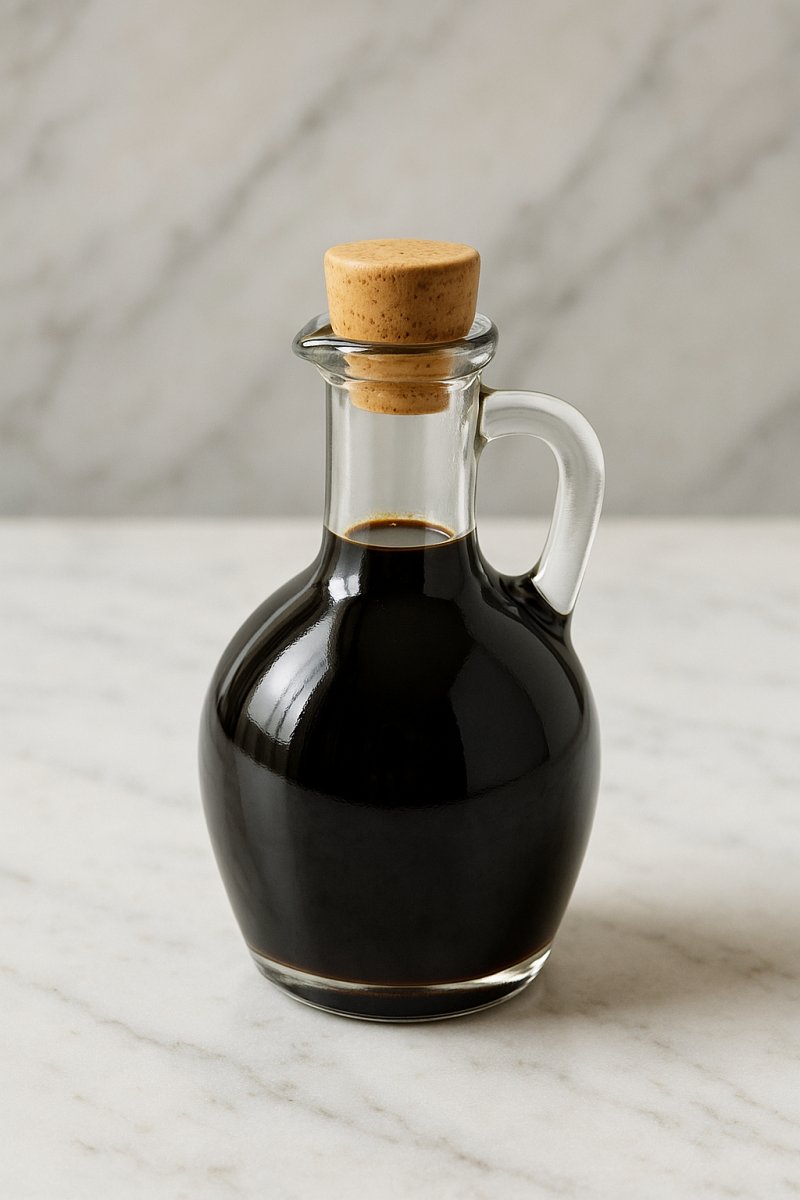
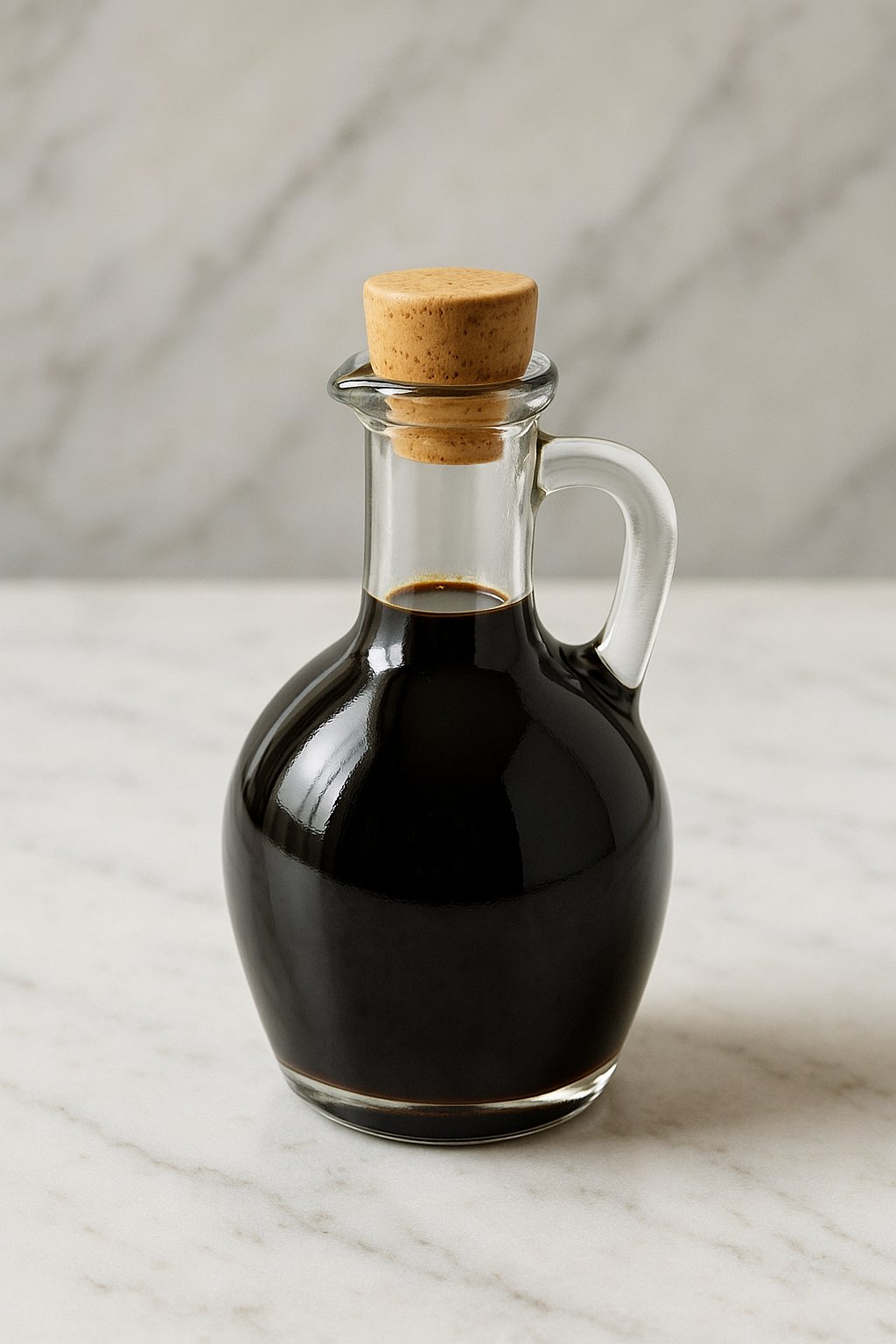
Aromatic, dark brown vinegar made from grape must

Wiki about balsamic vinegar Nutri-Score B Vegan Yes Gluten-free Yes Lactose-free Yes Nut-free Yes
NUTRITION / 100 ml
88 kcal 0.5 g Protein 17.0 g Kohlenhydrate 0.0 g Fett

Introduction

A small bowl with dark brown balsamic vinegar
I love how a splash of balsamic vinegar can transform a dish: plain leaf spinach becomes an aromatic experience in no time, and a simple tomato and mozzarella salad becomes a little celebration. To me balsamic is more than an ingredient; it is an experience that combines sweetness, acidity and depth in a single drop. I still remember a warm summer evening when I discovered a bottle at a market stall in a small Tuscan town — the scent alone convinced me, and since then balsamic has been one of my favorite kitchen companions.

The variety of products is always surprising: there is the traditional Aceto Balsamico, which ages for years in wooden barrels, and the modern, aromatic variants that are used quickly in everyday life. I once experienced a one-hour tasting with friends that taught us to appreciate patience — a few drops of an aged balsamic behaved like a condensed summer: complex, velvety and almost musical on the tongue.

Practically, I use balsamic in a wide range of contexts. It gives dressings the necessary backbone, refines marinated vegetables and creates wonderful contrasts to fat and salt. When I have little time, I mix a simple dressing: olive oil, Dijon mustard, a pinch of honey and a good dash of balsamic — done. It also surprises in desserts: a few drops over grilled peaches and vanilla ice cream often leave guests speechless.

  • Taste: balanced acidity with sweet, sometimes woody or caramel notes
  • Use: dressings, marinades, reductions, dessert accents
  • Tips: pay attention to quality levels; combine with oil and seasonings
A colleague of mine swears by adding a splash of balsamic to his roast sauce — it may sound trivial, but it showed me how even small amounts can completely reframe a dish. I advise being curious: try different bottles, pay attention to origin and treat yourself occasionally to a good-quality drop. Balsamic is so versatile that you can discover new flavor layers with it again and again, and that is exactly what makes it an indispensable ingredient in the kitchen for me.

Availability & types

Availability and types of balsamic vinegar

Balsamic vinegar is a special vinegar made from grapes. It originates from Italy, especially from an area called Modena and the small region of Reggio Emilia. Imagine places where people have been harvesting grapes for many hundreds of years and making from them a dark, sweet-and-sour vinegar. Because it is so popular, you can now find balsamic in most supermarkets, delicatessens and markets.

There are different kinds of balsamic vinegar, and they differ in how they are produced and how long they have aged. To put it simply: some are like a young apple, fresh and lively in flavour; others are like an old piece of chocolate — soft, sweet and very intense.

  • Balsamico di Modena: This is the most common variety. It is produced in the area around Modena and is often made by blending grape must (the juice of the grapes) and wine vinegar. Sometimes sugar or syrup is added. This type is good for salads, cooking and as an everyday vinegar.
  • Tradizionale Balsamico: This is the old, very special version. It is made only from cooked grape must and aged for many years in wooden barrels. The longer it ages, the thicker and more aromatic it becomes. This variant is more expensive and is often sold in small bottles. People use it sparingly, for example over fresh tomatoes, cheese or ice cream.
  • Crema di Balsamico: This is a thicker, often slightly sweetened variant. It looks like sugar syrup and is well suited when you want to make decorative patterns on plates. Some cremas also contain fruit flavours or honey.
  • Abbreviations: In shops you sometimes find labels like „IGP“ or „DOP“. „IGP“ means that the vinegar comes from the Modena region and certain rules were followed. „DOP“ stands for stricter rules and usually applies to the Tradizionale.
Availability depends on where you shop. In larger cities and supermarkets you will often find several varieties: inexpensive bottles that are good for cooking, and small expensive bottles used for finishing. In delicatessens or online you find even more selection, even handmade balsamics from small producers that taste slightly different each year.

When you select balsamic you can pay attention to a few simple things:

  • Check the label to see whether only grape must or also additives are listed.
  • For salads cheaper variants are often sufficient; for special dishes a Tradizionale or a crema can sometimes be worth it.
  • Try different varieties: some are lighter and fresher, others are thicker and sweeter — that way you find out what you like best.
In summary: balsamic vinegar comes mainly from Italy, especially Modena. There are simple everyday variants, thick cremas and very old, expensive Tradizionale editions. You can easily find balsamic in the supermarket, but those looking for something special should check delicatessens or online. Remember: as with many foods, the longer the aging and the fewer the additives, the more intense the flavour — similar to cheese or chocolate.
Details & nutrition

Property Value
Unit ml
Calories per 100 88
Protein per 100 0.5
Carbohydrates per 100 17.0
Sugar per 100 15.0
Fat per 100 0.0
Saturated fat per 100 0.0
Monounsaturated fat 0.0
Polyunsaturated fat 0.0
Fiber per 100 0.0
Vitamin C (mg) per 100 0.0
Vitamin D (IU) per 100 0.0
Calcium (mg) per 100 25.0
Iron (mg) per 100 0.7
Nutri-Score B
CO₂ footprint 1.5
Origin Italy
Gluten-free Yes
Lactose-free Yes
Nut-free Yes
Vegan Yes
Note Nutritional values for commercially available balsamic vinegar (Aceto Balsamico di Modena); may contain small amounts of sulfites from the production process.

Technical & scientific information

Balsamic vinegar is a dark, aromatic vinegar traditionally made from cooked, fermented grape must. It is characterized by a balanced mix of acidity and sweetness and a complex, often wood-influenced aroma. It originally comes from Emilia-Romagna in Italy, and classic quality categories such as Aceto Balsamico Tradizionale di Modena and Aceto Balsamico Tradizionale di Reggio Emilia are subject to strict production and aging criteria.

Chemical composition and constituents
The main components of balsamic are water, organic acids (especially acetic acid), sugar, dissolved solids and volatile aroma compounds. Sugar content varies greatly depending on the product class: traditional balsamics contain concentrated, caramelized sugars from the reduced must, while industrially produced variants can often contain agave or grape syrups. Important organic acids besides acetic acid include tartaric acid, malic acid and traces of other organic acids that contribute to flavor depth. Minerals and polyphenols from the grape are present in small amounts and may have antioxidant properties.

Production process
Traditional production starts with grape must (Schiacciato), which is reduced over hours to produce a dense, sugar-rich syrup. This syrup then undergoes alcoholic fermentation, in which yeasts convert sugars into ethanol. After that the vinegar formation begins, where acetic acid bacteria oxidize ethanol to acetic acid. For high-quality traditional products a long aging in a series of wooden barrels (e.g. oak, chestnut, cherry, mulberry) follows, during which concentration, oxidation and microbiological processes create a complex aroma profile. Industrially produced balsamic vinegars often use controlled conditions and additives, such as caramelized sugar syrups, sugar concentrates or flavorings, to achieve taste and colour faster.

Nutritional values
Per 100 g balsamic vinegar typically contains about 150–250 kcal, depending on sugar content; many commercial balsamics are around 150 kcal/100 g. The macronutrient balance is characterised by a high sugar content and almost no fat or protein. Typical values per tablespoon (15 ml) are about 15–25 kcal, 3–5 g carbohydrates (mainly sugars) and negligible amounts of fat and protein. Mineral and vitamin contents are low, however secondary plant compounds from grapes may be present in small amounts.

Sensory profile and influence of aging
The sensory properties arise from a combination of residual sugars, acetic acid, Maillard products (from reduction of the must), wood components (lignin breakdown products, vanillin-like aroma compounds) and microbial metabolites. Longer aging increases viscosity, dark colour and aroma complexity; it also reduces the perceived sharpness of acetic acid in favour of sweeter, fruitier and woodier notes.

Health aspects
Balsamic vinegar can, in moderate amounts as part of a balanced diet, have positive effects: acetic acid is associated with an improved postprandial blood sugar response and a slight appetite-suppressing effect. However the high sugar content of many balsamics should be considered, especially for people with diabetes or those managing calories. Acidity can worsen gastroesophageal reflux symptoms in sensitive individuals or erode tooth enamel with frequent, undiluted consumption.

Quality differentiation
To guide consumers there are legal product designations: genuine traditional balsamics are protected specialties with long barrel aging and without additives. Commercial “balsamic” products vary greatly in production and ingredients, so labels should be checked for added sugar, concentrate proportion and aging duration. For gourmets color, consistency, smell and a layered aftertaste are essential indicators of quality.

Overall, balsamic vinegar is a technically and sensorily versatile food product, whose properties are largely controlled by raw material quality, microbiological processes and aging. Its use in the kitchen ranges from dressings and marinades to reductions and desserts, and the choice between traditional and industrial product significantly affects flavour, nutritional profile and price.

Wiki entry for: balsamic vinegar
Active now: 20 visitors of which 2 logged-in members in the last 5 minutes