Availability and types of baking soda
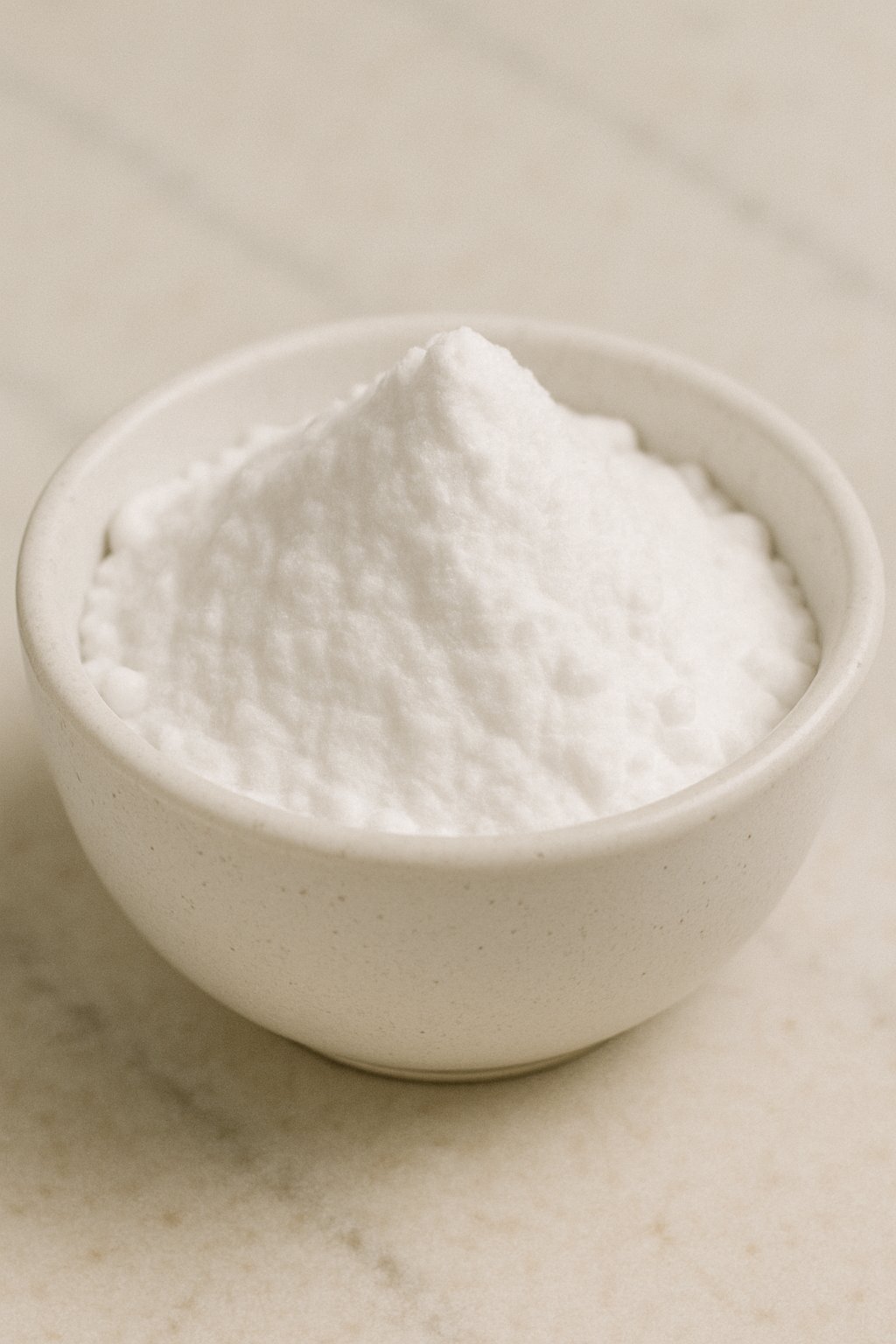
Baking soda, which many people also know as baking soda or food-grade soda, is a very common ingredient. It is easy to find and is used in many households for baking, cleaning or small first-aid tricks. You can buy baking soda in supermarkets, drugstores, health-food shops and online. It is often packaged in small packets or tins, similar to baking powder, and is inexpensive. Because it is so useful and cheap, many families keep a tin of it in the kitchen.
Where does baking soda come from?
Baking soda is a chemical substance that occurs naturally in nature, for example in salty lakes or in mineral deposits. Today most of the baking soda we buy is manufactured in factories. This production uses simple chemical steps so that the baking soda is clean and safe for use — similar to sugar or flour, which are also processed before they reach the store.
Baking soda is a chemical substance that occurs naturally in nature, for example in salty lakes or in mineral deposits. Today most of the baking soda we buy is manufactured in factories. This production uses simple chemical steps so that the baking soda is clean and safe for use — similar to sugar or flour, which are also processed before they reach the store.
Source regions — or where the raw materials come from
Because baking soda is mostly produced industrially, there is no “cultivation” like for plants. Raw materials come from different countries with large chemical and mining industries. Some types of baking soda come from natural salt lakes or mineral deposits in arid regions, others are made from very simple chemical substances available in many countries. The important point is: regardless of where the starting material comes from, the finished baking soda is very similar everywhere and suitable for the same tasks.
Because baking soda is mostly produced industrially, there is no “cultivation” like for plants. Raw materials come from different countries with large chemical and mining industries. Some types of baking soda come from natural salt lakes or mineral deposits in arid regions, others are made from very simple chemical substances available in many countries. The important point is: regardless of where the starting material comes from, the finished baking soda is very similar everywhere and suitable for the same tasks.
What varieties and variants exist?
Baking soda does not come in just one form. Here are the most common types, explained in simple words:
Baking soda does not come in just one form. Here are the most common types, explained in simple words:
- Food-grade baking soda / baking soda: this is the variety you use when baking cakes. It helps the batter rise during baking. It is safe for food use if used in the correct amounts.
- Technical baking soda: this variant is intended for craft or industrial purposes, for example in cleaning products or factories. It is often cheaper but not necessarily food-grade.
- Fine or coarse milling: baking soda can be ground very finely, almost like powdered sugar, or somewhat coarser. For baking, fine baking soda is usually better because it disperses more easily in the batter. Coarser baking soda is used more for cleaning tasks or neutralizing unpleasant odors.
- With additives: sometimes baking soda is sold in mixtures, for example combined with citric acid or other substances. These mixtures can perform special tasks, such as effervescent powders or specific cleaning agents. The packaging will indicate their intended use.
- Eco-certified variants: some brands advertise that their baking soda is produced or packaged in a particularly environmentally friendly way. This usually concerns production or packaging and is an option for people who pay attention to environmental aspects.
How do you recognize the right variety?
The packaging will normally state whether the baking soda is suitable for food use. Look for terms like “food grade”, “suitable for use in food” or similar. If you need it for baking, choose that variety. For cleaning products or technical applications, the cheaper technical variant is often sufficient.
The packaging will normally state whether the baking soda is suitable for food use. Look for terms like “food grade”, “suitable for use in food” or similar. If you need it for baking, choose that variety. For cleaning products or technical applications, the cheaper technical variant is often sufficient.
In summary: baking soda is easy to obtain, can come from natural salt sources or be produced industrially, and is available in several variants — from food-grade baking soda to technical grades and mixed products. This makes baking soda versatile and practical for many everyday tasks.