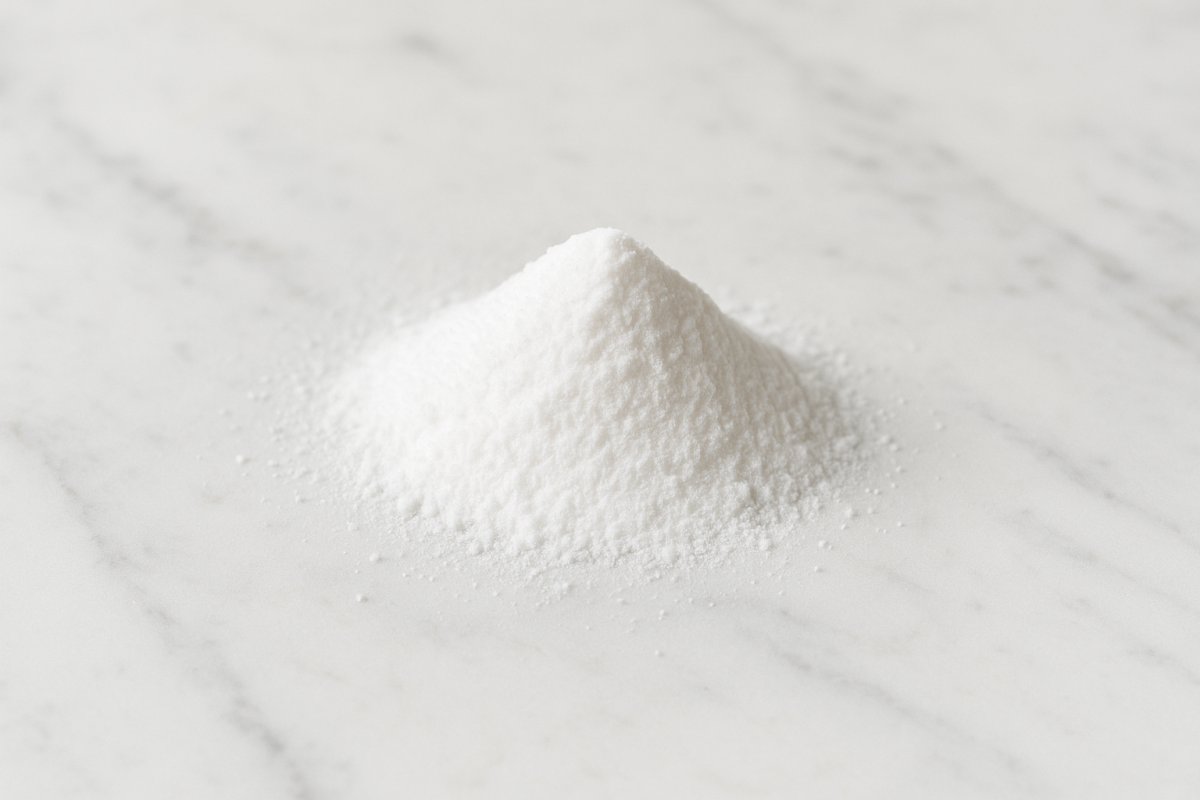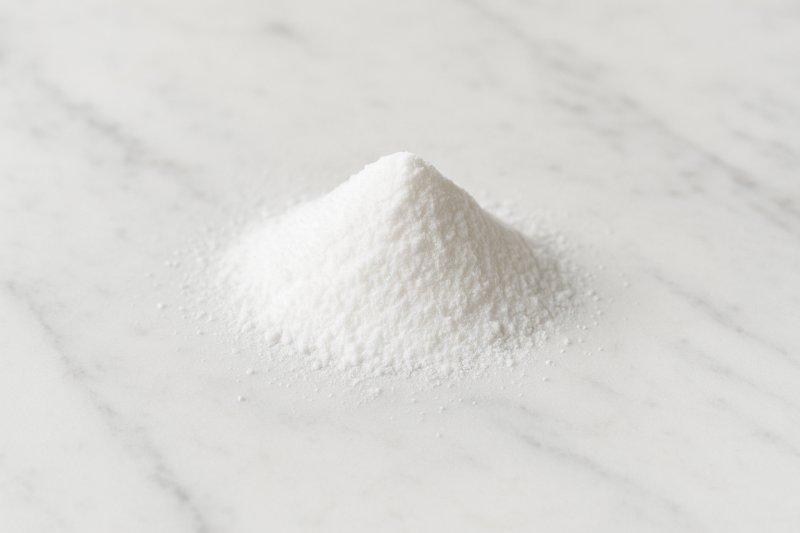
Hirschhornsalz is an old leavening agent, used especially for crispy cookies and traditional pastries. The name sounds as if it came straight from deer — there is a historical reason: in the past substances like this were obtained by burning animal horns and hooves. From those burned parts a smoky powder was produced, which formed air bubbles when heated and loosened the dough. Today Hirschhornsalz is no longer made from horns but is manufactured chemically in factories. This is more hygienic and easier to produce.
Where does it come from today?
Nowadays Hirschhornsalz is produced in chemical plants, not in fields. Manufacturers simply combine the necessary substances (ammonia and carbon dioxide) and obtain the finished powder. Such factories exist in many countries: Europe, Asia and North America produce the product, which is then sold in small packages to bakers and consumers. So you won't find it in a particular "growing region," because it does not grow — it is manufactured.
Which types or variants exist? In stores you usually encounter a few different names and forms. The most important ones to know are:
- Hirschhornsalz (ammonium carbonate): This is the classic variant. It comes as a fine white powder or as coarser crystals. During baking a strong smell of ammonia develops (it smells somewhat sharp, similar to some cleaning agents), but it disappears once cooled. Best suited for thin, dry cookies and baked goods that bake quickly.
- Ammonium bicarbonate: This is a milder, more modern form often used as a substitute. It acts similarly, but the smell is usually somewhat weaker. This variant is also found in small packages in shops.
- Backammoniak: This is another name under which Hirschhornsalz is sold. Products with this name are often packaged specifically for home use.
- Baking powder (not Hirschhornsalz): It is useful to know the difference. Baking powder contains no ammonia compounds and does not smell during baking. It is better suited for moist cakes. It cannot always be simply exchanged 1:1 because the result will be different.
Where can you buy Hirschhornsalz?
You can find it in several places, especially in regions with a strong tradition of baking:
You can find it in several places, especially in regions with a strong tradition of baking:
- Supermarkets, often in the baking aisle or seasonally before holidays like Christmas
- Specialty shops for baking supplies and confectionery equipment
- Online shops and retailers offering small packages for hobby bakers
- Some health food stores or organic shops also carry it
Important: when buying, check the packaging. It will state whether it is ammonium carbonate or ammonium bicarbonate and what it is recommended for. For beginners: Hirschhornsalz is ideal for thin, dry cookies — it makes them extra crisp. The strong smell during baking is part of the process but dissipates when the cookies have cooled.