Menu & categories

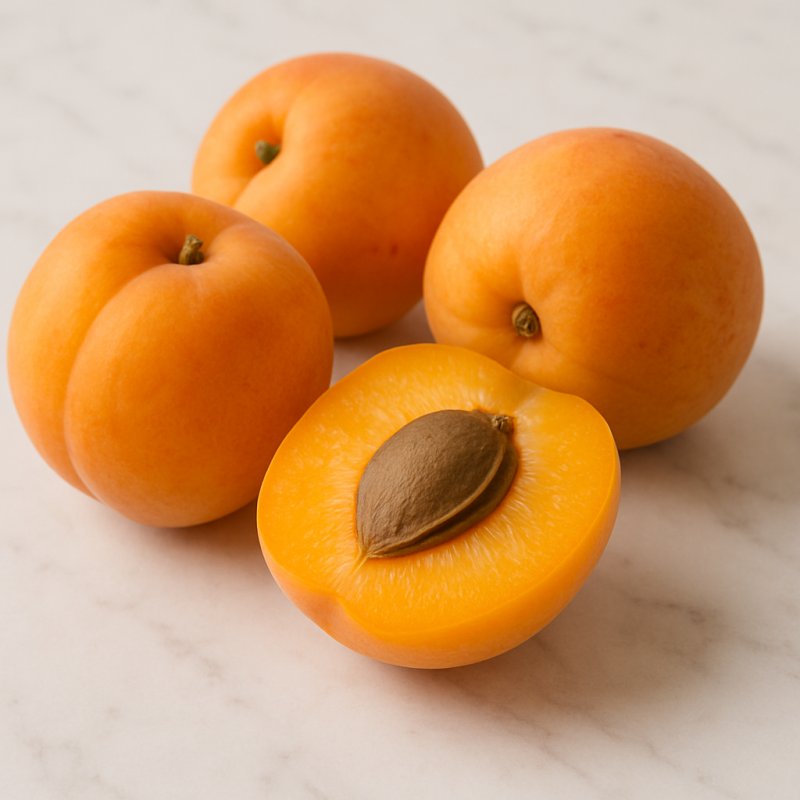
Apricot

Sweet-aromatic stone fruit, ideal as a snack or in desserts.

Wiki about apricot Nutri-Score A Vegan Yes Gluten-free Yes Lactose-free Yes Nut-free Yes
NUTRITION / 100 g
48 kcal 1.4 g Protein 11.1 g Kohlenhydrate 0.4 g Fett

Introduction

Apricot
I still clearly remember the first summer I fell in love with apricots: it was at a small market on the edge of a town, where an old woman pressed an especially sun-warm fruit into my hand. The scent was sweet and a little tart, as if the sun itself had made jam. Since then the apricot has been for me more than just fruit; it is a flavor that tells stories.

The apricot strikes that wonderful balance between delicate acidity and velvety sweetness. Fresh it is juicy and slightly tangy, ideal for a quick snack. Dried it feels like a concentrated memory of summer: more intense, caramel-like and perfect for muesli or as a travel companion in my bag. I learned that the best apricots do not look too flawless; small pressure marks often mean they are ripe and aromatic.

In the kitchen apricots are incredibly versatile. I like to mix them into salads, where they contrast with goat cheese and walnuts, or cook them into a simple but glossy jam. A colleague swears by apricot chutney with grilled meat, and indeed the fruitiness enhances many spicy dishes wonderfully. In the oven apricots become tender and lend pies and cakes a sunny note.

  • Common uses: eat fresh, dry, preserve, bake, grill.
  • Nutrients to watch: vitamins A and C, fiber and important minerals.
  • Tip: for compote simmer the fruit briefly to preserve structure.
What particularly fascinates me is the cultural journey of the apricot: it has travelled through climate zones and cuisines while always keeping its own character. When I set a bowl of apricots on the table in late summer something happens: people gather, memories are exchanged, and even simple dishes seem a little more festive. For me that is the true magic of this small, golden fruit.

Availability & types

Availability and types

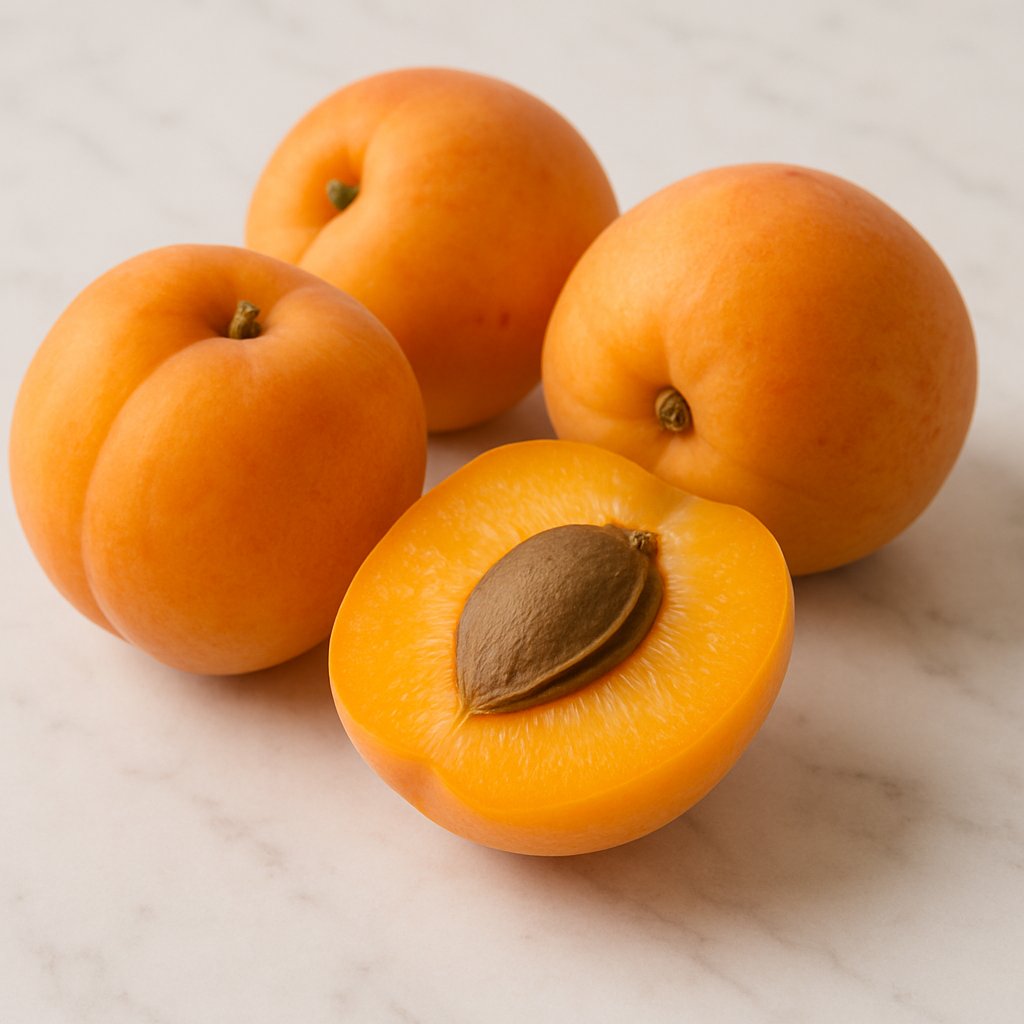
The apricot is a juicy, orange-colored fruit that can be bought fresh, dried or preserved. Apricots originally come from Central Asia and China. In earlier times people and traders traveled with goods over long distances, so the apricot spread westward to Europe. In some languages you therefore hear names that recall countries, for example “armenia” in the Latin name – this is an old trace of its journey, not necessarily the only place of origin.

Today apricots are grown in many countries. The most important growing regions are:

  • Turkey – one of the largest producing countries; many dried apricots come from here.
  • China – a large growing area with many different varieties.
  • Iran and Central Asia – traditional regions with a long apricot culture.
  • Europe – especially Spain, Italy and France grow apricots.
  • USA – particularly California, where summers are warm.
Think of apricots like relatives: there are varieties that are early babies (ripen early in the year), others are late bloomers (come later in the summer). Some are very sweet, others have a slight acidity and taste a bit like a mix of peach and plum.

Common varieties

  • Blenheim (Royal): very aromatic and sweet, often appreciated at fresh markets.
  • Moorpark: large, juicy fruits with intense flavor.
  • Tomcot: hardy and good for transport, often grown in larger plantations.
  • Early, mid- and late-season types: these groups only indicate when the apricot ripens – like early risers, midday and late risers.
Apart from variety names there are differences in the ways apricots are offered. Here are the main forms you find in stores:

  • Fresh apricots: juicy and soft, best bought in season (summer). Fresh apricots taste like a small, sweet sun in the mouth.
  • Dried apricots: very sweet and chewy, like small orange “power packs” – good for snacking or in muesli. Some dried apricots are light because they have been treated with sulfur dioxide; others are darker and have a more intense flavor.
  • Preserved / canned: apricots in cans or jars keep a long time and are suitable for cakes or compote.
  • Jam and spreads: apricots are often made into jam – sweet and spreadable, like a fruit spread for bread.
  • Frozen and puréed: apricot purée or frozen pieces are handy for cooking, smoothies or desserts.
  • Apricot kernels and oil: oil is sometimes extracted from the kernels or they are used for flavoring. Caution: some kernels are bitter and should only be used in small amounts.
So you find apricots fresh in summer, dried and preserved variants year-round. Whether you eat them plain, use them in cakes or carry them as a snack – apricots are versatile and bring a sunny taste to the table.
Details & nutrition

Property Value
Unit g
Average weight per piece 35
Calories per 100 48
Protein per 100 1.4
Carbohydrates per 100 11.1
Sugar per 100 9.2
Fat per 100 0.4
Saturated fat per 100 0.03
Monounsaturated fat 0.17
Polyunsaturated fat 0.08
Fiber per 100 2
Vitamin C (mg) per 100 10
Vitamin D (IU) per 100 0
Calcium (mg) per 100 13
Iron (mg) per 100 0.39
Nutri-Score A
CO₂ footprint 0,4 kg CO2e/kg
Origin Turkey/Spain (depending on season)
Gluten-free Yes
Lactose-free Yes
Nut-free Yes
Vegan Yes
Note Remove pit/stone before consumption; values refer to fresh, raw apricots.

Technical & scientific information

Apricot (scientific: Prunus armeniaca) is a small stone-fruit crop of the Rosaceae family, cultivated since antiquity in Central Asia. The fruit is botanically composed of a thin pericarp with a juicy mesocarp layer, a thin exocarp (skin) and a hard endocarp that encloses the seed (stone). Apricots are climacteric fruits; they continue to ripen after harvest and show increased respiration and ethylene production during ripening.

Chemical composition and nutritional values
Composition varies with variety, ripeness and processing. Typical nutritional values for fresh apricots per 100 g (rounded) are: energy ~48 kcal, water ~86 g, carbohydrates ~11 g (of which sugars ~9 g), fiber ~2 g, protein ~1.4 g and fat ~0.4 g. Notably rich in potassium (on the order of a few hundred mg per 100 g) and containing smaller amounts of calcium, magnesium and phosphorus. Important vitamins include vitamin A (mainly as provitamin β‑carotene), vitamin C and certain B vitamins.

Secondary plant compounds
Apricots contain biologically active plant compounds, including carotenoids (β‑carotene, lutein), various phenolic compounds (e.g. chlorogenic acid) and flavonoids (e.g. quercetin derivatives). These substances contribute antioxidant properties and influence color and sensory characteristics of the fruit. The content of volatile aroma compounds and terpenes determines the characteristic smell and taste.

Processing and technological handling
Common processing methods are drying, preserving (jam, confiture), pickling, pasteurization (juice, compote) and extraction of oil from kernels. Drying removes water, causing a relative increase of sugars, fiber and minerals; heat‑ and air‑related losses mainly affect heat‑labile vitamin C and certain aroma and polyphenol compounds. For color and quality stabilization dried apricots are often pretreated with sulfur dioxide; unsulfited products are darker but considered more natural. Cut surfaces are prone to enzymatic browning by polyphenol oxidase, which can be delayed by ascorbic acid or suitable processing aids.

Health aspects
The nutrient mix makes apricots a low‑calorie source of fiber, provitamin A and antioxidants, which may contribute to eye health, immune function and reduction of oxidative stress. Fiber supports bowel function and the glycemic response after meals. Caution with kernels: bitter apricot kernels contain the cyanogenic glycoside amygdalin, which can release hydrogen cyanide under enzymatic cleavage; in larger amounts this is toxic. Industrial apricot products should therefore follow safe manufacturing routes and proper labelling.

Quality and storage parameters
Fresh apricots are temperature sensitive; storage at low but non‑freezing temperatures slows ripening and microbial spoilage. For processing and storage moisture, oxygen and light are relevant, as oxidation of lipids and polyphenols can cause quality loss. Microbiological risks primarily concern fungal spoilage in moist products and contamination when hygiene control is insufficient.

In summary, the apricot is a versatile fruit with a nutritious profile and a range of bioactive compounds. Its processing and storage conditions significantly affect nutrient contents and sensory quality. Special attention should be given to safe handling of kernels due to possible cyanogenic compounds and to choosing appropriate preservation methods to maintain nutritional benefits and product safety.

Wiki entry for: apricot
Active now: 18 visitors of which 2 logged-in members in the last 5 minutes