Menu & categories

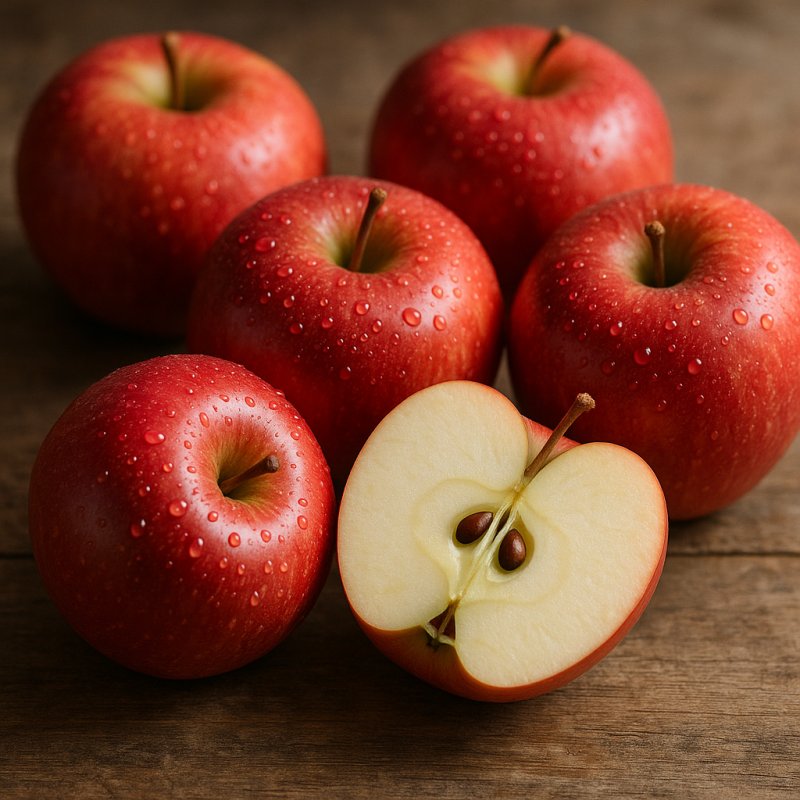
Apple

Fresh and crunchy delight

Wiki about apple Nutri-Score A Vegan Yes Gluten-free Yes Lactose-free Yes Nut-free Yes
NUTRITION / 100 g
52 kcal 0.3 g Protein 14 g Kohlenhydrate 0.2 g Fett

Introduction

Apple
The apple is undoubtedly one of the most popular and versatile fruits throughout Europe. As a 35-year-old editor, over the years I have experienced countless stories and recipes that all share this wonderful fruit delight. The apple is not only a symbol of health and well-being, but also an integral part of our cultural traditions.

As a child I spent a lot of time in my grandparents' orchard, where the old apple trees were in full bloom. A colleague of mine also recalls his first encounters with the apple, describing how he enjoyed the freshly picked fruits on a sunny autumn day. These personal memories illustrate how deeply rooted the apple is in our European culture.

The variety of apple cultivars is astonishing. In Europe there are over 7,500 different varieties that differ in taste, color and texture. Among the best known are the sweet Golden Delicious, the tart Granny Smith and the aromatic Gala. Each variety has its own advantages and is suitable for different uses, whether for direct consumption, baking or the production of apple juice and cider.

  • Golden Delicious: Ideal for fresh consumption and salads.
  • Granny Smith: Perfect for baking, as they hold their shape well.
  • Gala: Known for their sweet taste and crisp texture.
Another fascinating aspect of the apple is its health significance. Apples are rich in vitamins, fiber and antioxidants that contribute to overall health. Studies have shown that regular consumption of apples can reduce the risk of heart disease and certain cancers. These health benefits make the apple an indispensable ingredient in a balanced diet.

In European cuisine the apple plays a central role. From traditional dishes like apple strudel in Austria and Germany to innovative recipes in modern restaurants – the apple offers countless possibilities for creative culinary creations. A colleague of mine who works as a chef often tells how he was inspired to develop a new dessert after exploring the different flavors and textures of apple varieties.

The cultural significance of the apple is also remarkable. In many European countries there are folk tales and legends that feature the apple as a central element. A well-known example is the story of Adam and Eve, in which the apple plays a symbolic role. Such stories underscore the deep connection between the apple and human culture.

Organic apple cultivation is an important topic that is gaining more and more importance today. Many European countries rely on sustainable farming methods to protect the environment and ensure fruit quality. Organic apples are increasingly popular because they are grown without the use of chemical pesticides and fertilizers. This contributes not only to consumer health but also to environmental protection.

In conclusion, the apple is far more than just a fruit. It is a symbol of tradition, health and culinary diversity. As an editor I have the pleasure of exploring and sharing the many facets of the apple. Whether in the kitchen, in the garden or in culture – the apple remains an indispensable part of our lives..

Availability & types

Availability and types of apples

Apples are one of the most popular fruits worldwide and are grown in many different varieties. Their availability and diversity make them an indispensable ingredient in many kitchens.

Origin of apples

Apples originally come from Central Asia, more precisely from the area of present-day Kazakhstan. There were ancestral species of the apple there, cultivated by humans for thousands of years. Through trade and exploration, apples spread to Europe, Asia and eventually the whole world.

Today there are over 7,500 different apple varieties worldwide. These are grown in different climatic zones, from temperate regions to warmer areas. The main producing countries are China, the USA, Poland and Italy.

Varieties and types

Apples come in many different colors, sizes and flavors. Here are some of the best known varieties:

  • Golden Delicious: These apples are yellowish and very sweet. They are good for eating and for baking.
  • Granny Smith: This variety is green and has a tart flavor. They are particularly popular in salads and for baking apple pies.
  • Red Delicious: Red apples are sweet and crunchy. They are ideal for a snack between meals.
  • Braeburn: These apples have a red and yellow skin and a balanced sweet-tart taste. They are versatile in use.
  • Fuji: Fuji apples originate from Japan. They are very sweet and juicy, perfect for fresh consumption.
Besides the classic varieties there are also special types such as organic apples, which are grown without the use of chemical fertilizers and pesticides. There are also highly nutritious and less nutritious apples, which differ in taste and texture.

Availability of apples

Apples are available year-round in most countries. The main season for apples begins in autumn, when the apples are harvested. During this time the apples are fresh and often particularly inexpensive.

Thanks to modern storage techniques, however, apples can also be available out of season. In cold storage they remain fresh for several months. This means you can always find different apple varieties in your supermarket, no matter the season.

Regional differences

In different regions there are specific apple varieties that grow particularly well there. In Germany, for example, varieties such as Elstar or Jonagold are very popular. In the USA, on the other hand, varieties such as Honeycrisp or McIntosh are often grown.

Growing methods can also differ regionally. In some countries more organic apples are produced, while in others intensive farming is practiced to achieve higher yields.

Conclusion

Apples are a diverse and widespread ingredient, available in many forms and flavors. Their wide availability and the large selection of varieties make them an important part of our daily diet. Whether you are looking for a sweet apple for a snack or a tart one for your favorite recipe – there is always a suitable apple variety for you.
Details & nutrition

Property Value
Unit g
Average weight per piece 150
Calories per 100 52
Protein per 100 0.3
Carbohydrates per 100 14
Sugar per 100 10
Fat per 100 0.2
Saturated fat per 100 0.0
Monounsaturated fat 0.03
Polyunsaturated fat 0.07
Fiber per 100 2.4
Vitamin C (mg) per 100 4.6
Vitamin D (IU) per 100 0
Calcium (mg) per 100 6
Iron (mg) per 100 0.1
Nutri-Score A
CO₂ footprint 0.3
Origin Europe
Gluten-free Yes
Lactose-free Yes
Nut-free Yes
Vegan Yes
Note A versatile fruit classic.

Technical & scientific information

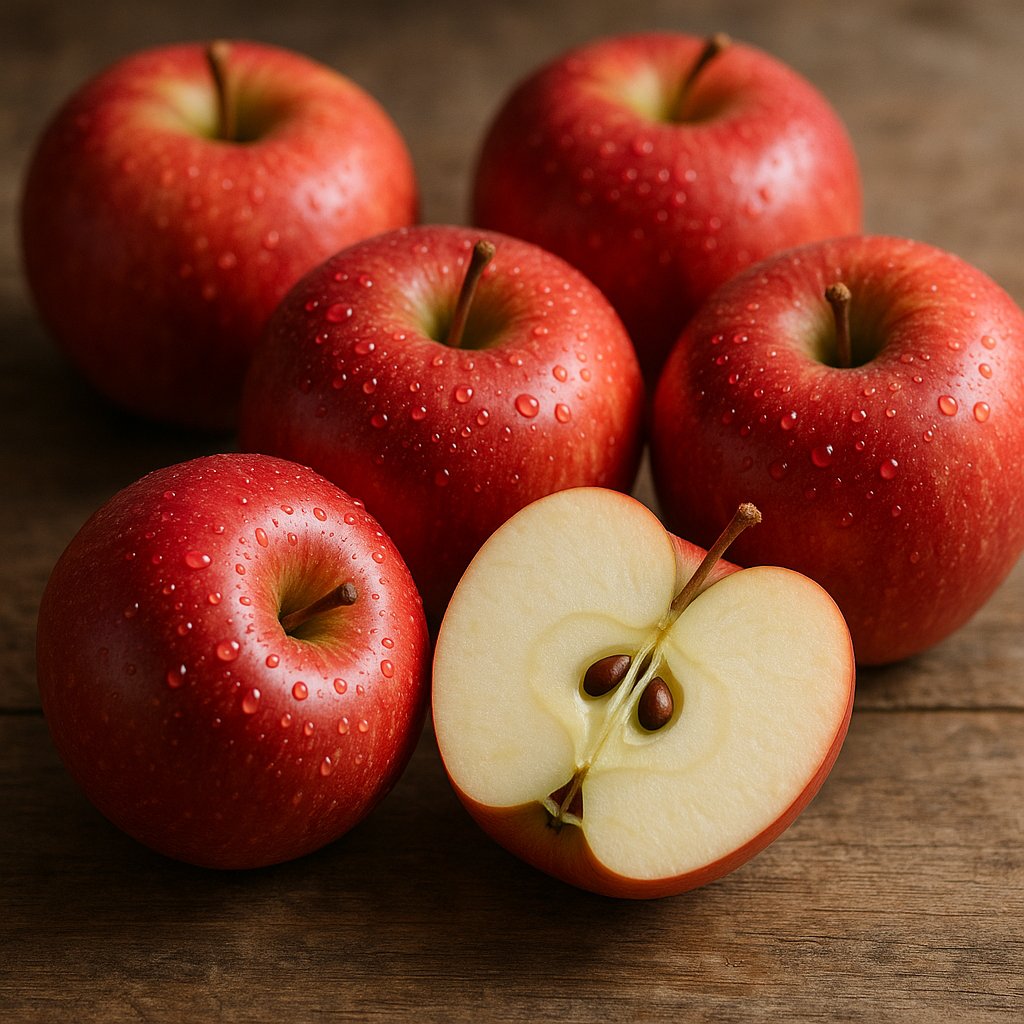
Apple (Malus domestica) is a widely grown fruit species cultivated in temperate climates worldwide. The apple tree belongs to the Rosaceae family and is known for its many cultivars, which vary in taste, color, size and texture.

The botany of the apple includes a broadly spreading tree with an average height of 4 to 12 meters. Leaves are alternately arranged, simple, elongated and narrow, with a slightly hairy surface. Flowers range from white to pink and consist of five petals, numerous stamens and a central ovary that, after pollination, develops into the fruit.

Fruit description: The apple is an aggregate fruit composed of several carpels. The outer skin, also called the exocarp, varies in color from green through yellow to red, depending on the cultivar. The flesh, the mesocarp, is usually juicy and can taste from sweet to tart. Inside are the seeds, enclosed in a hard core, the endocarp.

Nutritional physiology: Apples are rich in nutrients and fiber, particularly pectin, which contributes to bowel regulation. They contain various vitamins, especially vitamin C, as well as minerals such as potassium and magnesium. In addition, apples are a good source of secondary plant compounds such as flavonoids and polyphenols, which have antioxidant properties and may help prevent chronic diseases.

Varietal diversity: There are over 7,500 apple cultivars worldwide, with the best known varieties being 'Golden Delicious', 'Granny Smith', 'Fuji', 'Gala' and 'Braeburn'. Each cultivar has specific properties regarding taste, storage life and culinary uses.

Cultivation and culture: Apple trees require a sufficient winter chill period for dormancy and flower development. Cultivation takes place mainly in temperate zones, with important producing countries being the USA, China, Poland and Italy. Care of apple trees includes pruning to shape the plant and promote fruiting, pest control as well as adequate irrigation and fertilization to ensure optimal fruit quality.

Harvest and storage: The harvest period varies by cultivar but usually falls between August and October. After harvest, apples can be kept fresh for several months under controlled atmosphere conditions (CA storage). Proper storage requires low temperatures and high humidity to slow the ripening process and extend shelf life.

Culinary uses: Apples are extremely versatile and can be eaten raw, processed into juices, applesauce, pies, baked goods and other dishes. They also play an important role in the production of alcoholic beverages such as cider and brandy.

Economic importance: Apple cultivation is a significant economic sector in many countries. It contributes substantially to the export of fruit products and creates jobs in agriculture, processing and marketing. Additionally, apple orchards promote biodiversity and provide habitats for various animal species.

Health benefits:

  • Promote digestion due to high fiber content
  • Support the immune system thanks to abundant vitamin C
  • Reduce risk of cardiovascular disease due to antioxidants
  • Positive effect on body weight due to low energy density
  • Prevention of certain cancers through bioactive compounds
Sustainability and environmental aspects: Apple cultivation can be made sustainable by applying integrated pest management and organic farming practices. Environmentally friendly practices help preserve soil quality, reduce water use and minimize the use of chemical pesticides.

Research and innovation: Scientific studies focus on improving apple cultivars by breeding more resistant and productive plants, adapting to climate change and developing new processing methods to extend shelf life and improve nutrient retention.

In summary, the apple is an essential fruit with high cultural, economic and health significance. Its diverse properties and uses make it an indispensable part of human nutrition and agriculture worldwide.

Wiki entry for: apple
Active now: 32 visitors of which 2 logged-in members in the last 5 minutes