Menu & categories

Anchovy paste

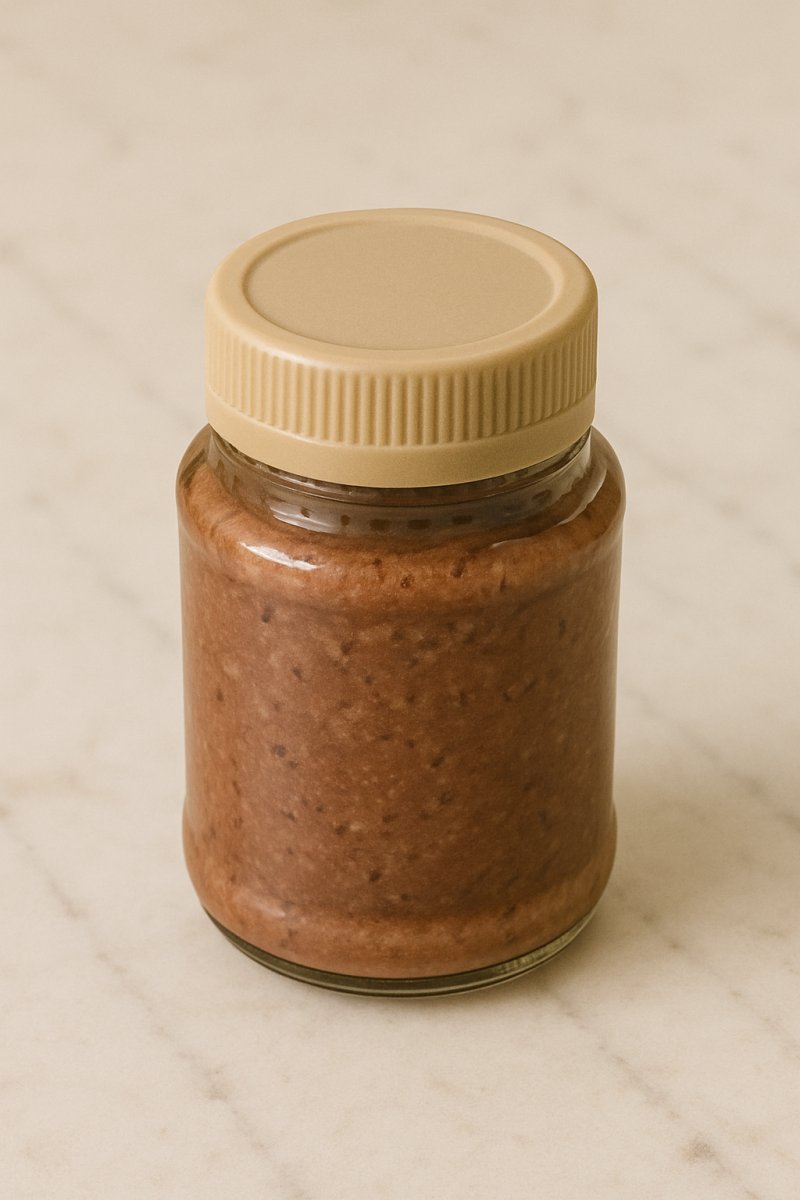
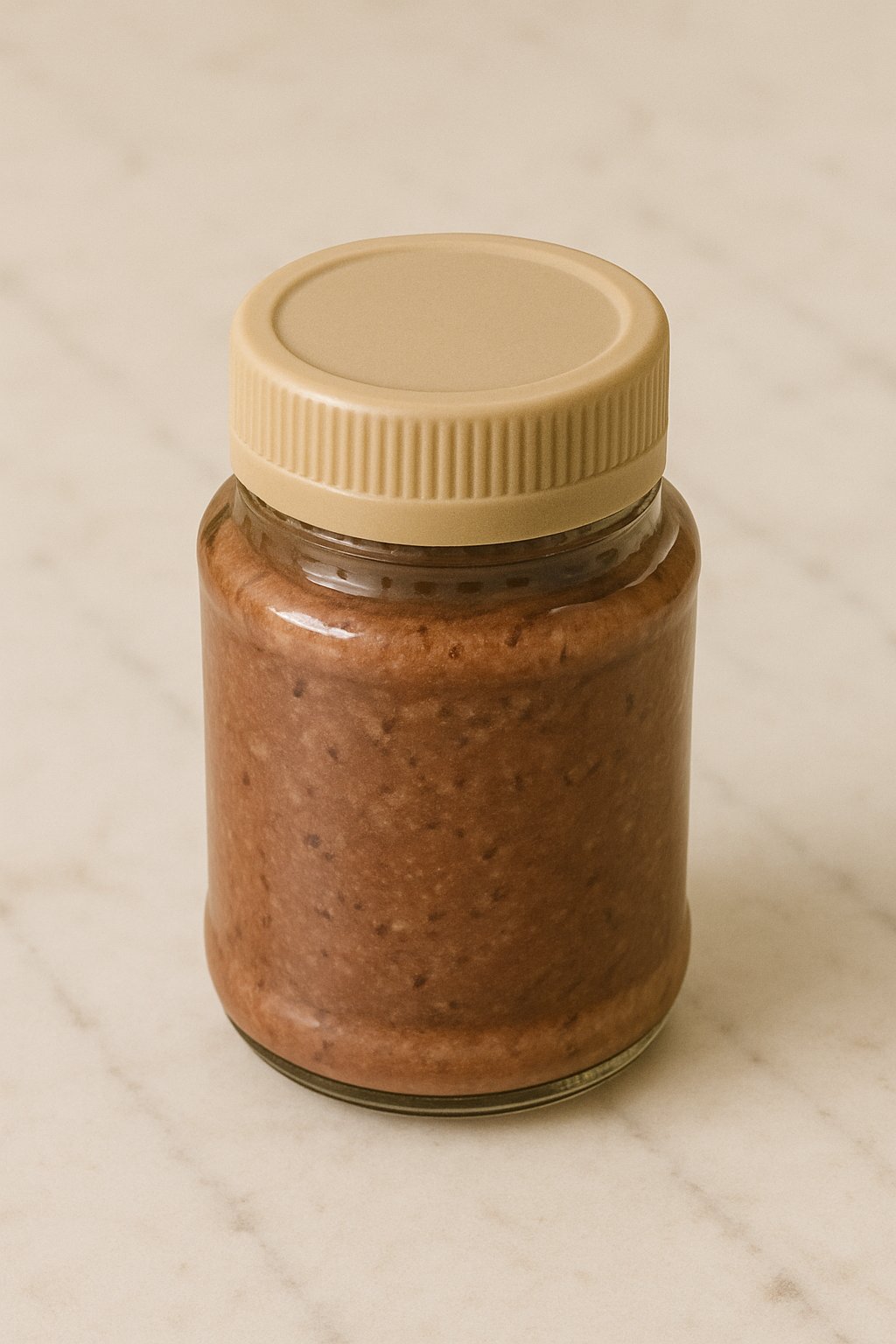
Savory fish paste made from anchovies with an intense flavor

Wiki about anchovy paste Nutri-Score D Vegan No Gluten-free Yes Lactose-free Yes Nut-free Yes
NUTRITION / 100 g
210 kcal 18 g Protein 3 g Kohlenhydrate 14 g Fett

Introduction

Anchovy paste in a small bowl with a spoon
I still remember the first look into a jar of anchovy paste: dark, almost velvety, with a depth I initially underestimated. Anchovy paste is for me one of those surprising ingredients that in small amounts can transform whole dishes. It doesn't bring a dominant "fishiness" but a salty umami intensity that gives sauces, dressings and stews an unexpected warmth. A colleague of mine once jokingly called it "the kitchen's secret mood-lifter" — and the name stuck.

What I particularly like: anchovy paste is incredibly versatile. I used it in a quick tomato sauce that suddenly tasted like much more, even though there was only a teaspoon in it. Another time I stirred a small piece into an herb butter jar for warm bread slices at a picnic, and the guests loved it. It's concentrated enough that a few drops are enough, but complex enough to provide real depth.

Some practical facts I often share include:

  • Taste: Salty, umami-rich and slightly fishy, but not overpowering.
  • Use: Sauces, dressings, dips, stews, marinades and even on buttered bread.
  • Shelf life: After opening, keeps for several months in the refrigerator, as the high salt content preserves it.
I've also learned that dosing is everything. A friend once mixed too much into a vinaigrette, and the result was a bit too direct. We learned from it: better to start cautiously and increase slowly. The paste also blends well with other ingredients, such as tomatoes, capers or lemon zest, to develop complex Mediterranean flavors.

In the end, anchovy paste is for me an unassuming kitchen hero. It demands respect, not mistrust, and rewards experimentation. Next time you want to liven up a sauce or give a dish more depth, try half a teaspoon of anchovy paste — and don't be surprised how often you'll reach for the jar afterwards.

Availability & types

Availability and types

Anchovy paste is a concentrated seasoning paste made from small fish called anchovies. This paste can be found in many supermarkets, especially where there is a good selection of international or Mediterranean foods. Sometimes it is located with the canned goods, near olives and capers, or with sauces and flavoring pastes. In smaller shops it is less common, but in delicatessens or larger supermarkets you will usually find several varieties.

Origin and fishing areas

Anchovies live in seas around the world, but many that are processed into paste come from the Mediterranean, the eastern Atlantic and parts of Asia. These regions have traditionally had a lot of experience with fishing and processing. You can think of it like apples: some apples come from a particular country because the climate and trees are suited there – the same applies to fish and their fishing grounds.

Available types and variants

  • Pure anchovy paste: This is the simplest version. It consists mainly of ground anchovies, salt and sometimes a little oil. The flavor is strong and salty, almost like a very concentrated, fishy broth.
  • Anchovy paste with oil: Here anchovies are mixed with a vegetable oil, for example olive oil or sunflower oil. The oil makes the paste smoother and milder. It can be spread more easily or mixed with other ingredients.
  • Anchovy cream or spread: This variant is often softer and sometimes contains additional spices or herbs. It feels similar to fresh cheese, but is decidedly saltier and fishier in flavor.
  • Pastes with additives: Some varieties contain garlic, chili, lemon zest or herbs. These additives change the taste – similar to adding chocolate chips to a basic cookie recipe, the flavour becomes different.
  • Finely refined pastes: For more sensitive cooks there are very fine pastes that have been blended particularly smoothly and have few coarse pieces. Such pastes are suitable when you want to mix them into sauces or dressings without visible bits remaining.
  • Cans vs jars vs tubes: Anchovy paste is available in jars, cans or handy tubes. In tubes it is used like toothpaste and is very practical for quick cooking. In jars it may look a little more rustic and is suitable when scooping it out with a spoon.
Season and storage

Anchovy paste usually has a long shelf life because it is conserved with salt or oil. This means you can store it in the pantry for a while. After opening it should be kept in the refrigerator and used within a few weeks so the flavor stays fresh. You can think of it like jam: once opened it keeps longer in the fridge than when unchilled.

Buying tips

When buying it is worth checking the ingredients list: some products contain only fish and salt, others have many additives. For a stronger taste choose pure pastes, for a milder variant one with oil or herbs. If you like to experiment, tubes are practical; if you value quality, a jar from a known delicatessen brand can be a good choice.

Anchovy paste is therefore readily available, comes from different marine regions and is available in many variants – from very simple, strong paste to mild versions refined with oil or herbs. This way everyone can find the version that best fits their dishes.
Details & nutrition

Property Value
Unit g
Calories per 100 210
Protein per 100 18
Carbohydrates per 100 3
Sugar per 100 0
Fat per 100 14
Saturated fat per 100 3
Monounsaturated fat 6
Polyunsaturated fat 3
Fiber per 100 0
Vitamin C (mg) per 100 0
Vitamin D (IU) per 100 160
Calcium (mg) per 100 100
Iron (mg) per 100 2
Nutri-Score D
CO₂ footprint 5.0
Origin Marine fish, mostly Mediterranean or Atlantic; processed in Europe
Gluten-free Yes
Lactose-free Yes
Nut-free Yes
Vegan No
Note Anchovy paste is very high in salt and is usually used as a seasoning in small amounts; exact nutritional values may vary slightly depending on the manufacturer and the oil or salt content.

Technical & scientific information

Anchovy paste is a concentrated fish product produced by crushing and mixing salted anchovies (Engraulis encrasicolus or related species) with salt and often oil into a homogeneous paste. It serves as an intense umami flavoring in the kitchen and is used worldwide in various traditional preparations. Technologically, it is a fermented or partially fermented product in which both enzymatic autolysis and microbial fermentation contribute to the release of free amino acids, peptides and other aroma components.

Production process and processing
Typical production methods for anchovy paste include several steps: salt treatment (salting or curing for hours to months), puréeing or grinding of the filleted fish, possible pasteurization and finally emulsification with oil or water. In traditional methods a slow fermentation takes place in earthenware vessels or barrels, with salt preserving the matrix and controlling the microbial composition. Modern industrial processes often rely on hygienic short‑time treatments and standardized fermentation conditions to ensure consistency and food safety.

Chemical composition and nutritional values
Anchovy paste is rich in proteins and contains only small amounts of carbohydrates. Typical nutritional values vary depending on recipe, salt and oil content, but often range around 200–300 kcal per 100 g. Macronutrient distribution can be roughly given as 15–25 g protein, 10–25 g fat and negligible amounts of carbohydrates per 100 g of product. Mineral‑wise the paste is very high in salt; sodium content is therefore high and one of the most nutritionally relevant parameters.

  • Proteins and amino acids: Enzymatic breakdown leads to increased concentrations of free amino acids such as glutamate, which contributes significantly to the umami taste, as well as other flavor‑active peptides.
  • Fat and fatty acids: Depending on the addition of vegetable oil, the paste contains polyunsaturated fatty acids, including long‑chain n‑3 fatty acids (EPA, DHA) from the fish tissue, unless the product has been completely defatted.
  • Minerals and trace elements: In addition to sodium, anchovy paste also provides calcium, phosphorus, iron and iodine, with amounts varying greatly depending on raw material and processing.
Sensory chemistry and shelf life
The characteristic aromas develop through proteolysis (release of amino acids), lipolysis (release of fatty acids) and Maillard reactions in heat‑treated products. Salt acts as a preservative, reducing water activity and inhibiting the growth of many spoilage organisms. Nevertheless, spoilage through autooxidative processes (rancidity of fats) and microbially induced changes is possible; antioxidants, exclusion of oxygen and cool storage extend shelf life.

Health aspects
Anchovy paste can be a valuable source of high‑quality protein and omega‑3 fatty acids and, due to its high free glutamate content, act as a natural flavor enhancer. At the same time the very high sodium content is nutritionally relevant and excessive consumption can affect blood pressure and cardiovascular risk. People with fish allergies should avoid anchovy paste. Furthermore, in rare cases the paste can contain biogenic amines such as histamine if raw material or fermentation are not properly controlled; this can lead to intolerance reactions.

Applications and culinary significance
Anchovy paste is used sparingly to season soups, sauces, dressings and braised dishes, and functions as an umami base in many cuisines including Mediterranean, Southeast Asian and North African. Because of its high flavor intensity, often a small amount is enough to achieve deep, meaty flavors.

Overall anchovy paste represents a technologically interesting food in which the biochemical processes of fermentation and autolysis are combined with practical preservation measures to create a flavor‑intensive, nutrient‑rich product. When properly produced and consumed in moderation, it offers nutritional benefits but must be consumed with caution because of sodium content and potential biogenic amines.

Wiki entry for: anchovy paste
Active now: 18 visitors of which 2 logged-in members in the last 5 minutes