Availability and types
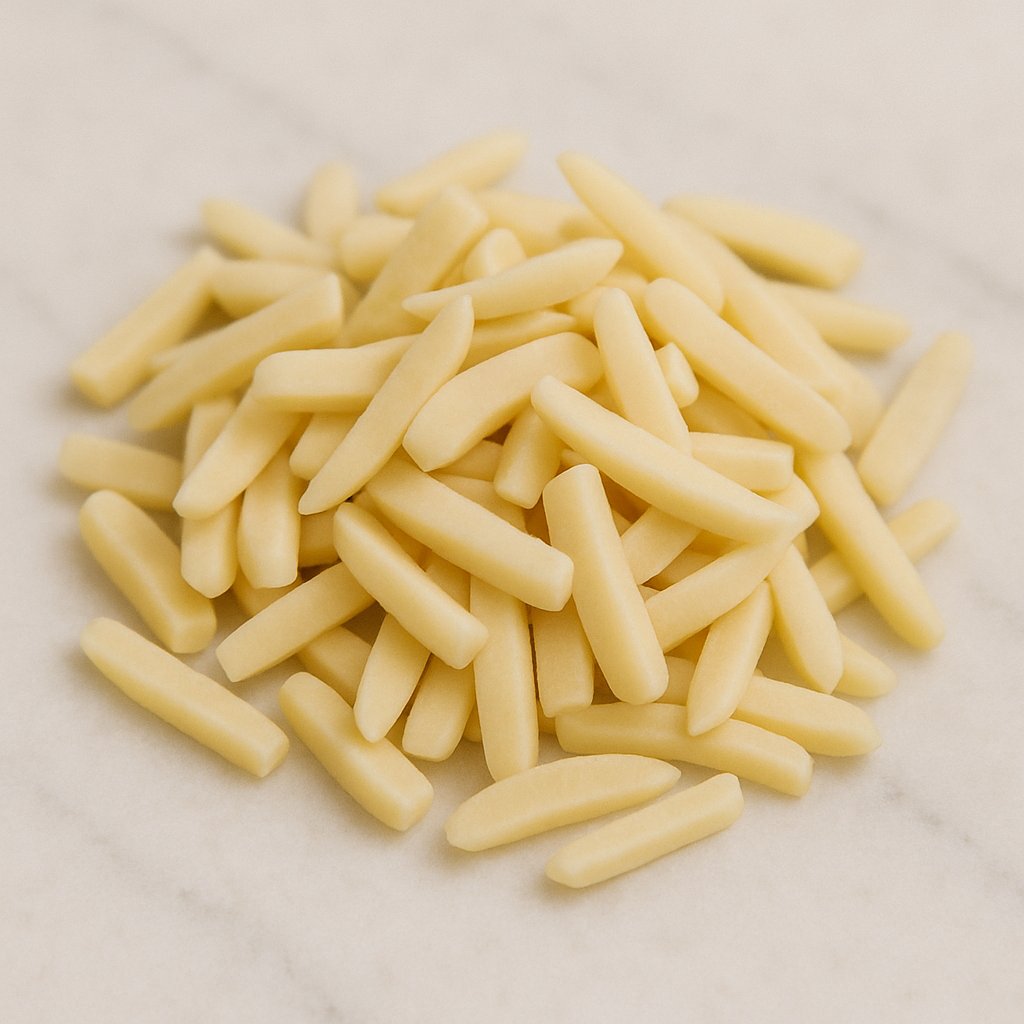
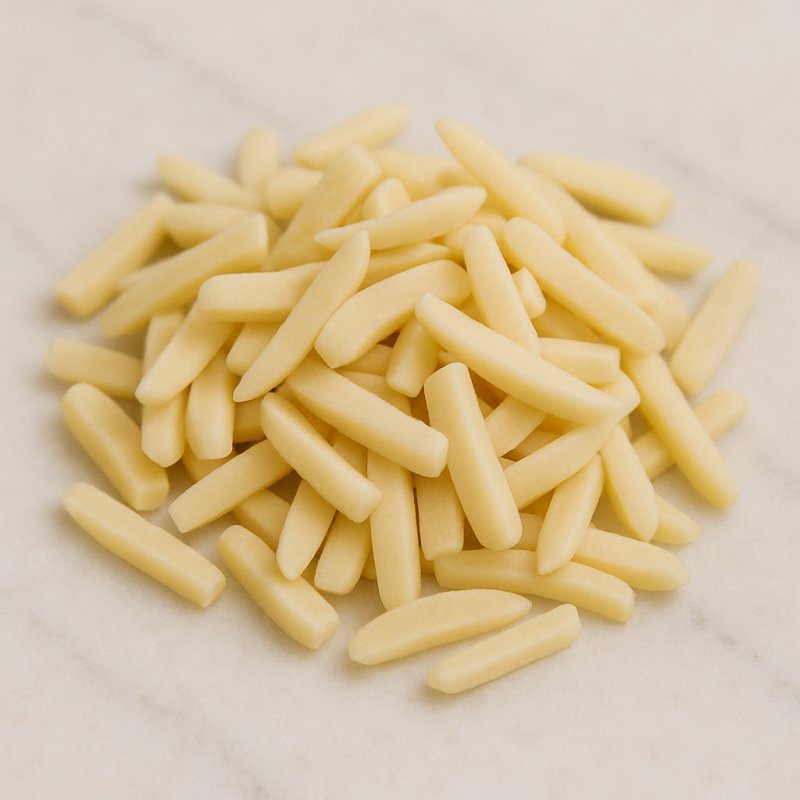
Slivered almonds are thin, elongated pieces of almonds often used for baking or as decoration for cakes and desserts. But where do they actually come from and what kinds are there? Here I explain it simply and clearly.
Origin
Almonds grow on almond trees. These trees bear fruits with a hard shell. Inside that shell sits the almond we eat. Almond trees grow mainly in warm regions because they like a lot of sun and little frost. You can imagine almonds as small nuts enclosed in a hard shell – first on a tree, then they are harvested and processed until the fine slivered almonds are produced.
Almonds grow on almond trees. These trees bear fruits with a hard shell. Inside that shell sits the almond we eat. Almond trees grow mainly in warm regions because they like a lot of sun and little frost. You can imagine almonds as small nuts enclosed in a hard shell – first on a tree, then they are harvested and processed until the fine slivered almonds are produced.
Growing regions
Almonds are grown worldwide, especially in countries with warm climates. Important growing regions include:
Almonds are grown worldwide, especially in countries with warm climates. Important growing regions include:
- California (USA): One of the largest production regions in the world. Many of the almonds found in supermarkets come from there.
- Mediterranean countries: These include Spain, Italy and Greece. Almonds have been grown there for a long time and are important in many traditional recipes.
- Other regions: Australia, Chile and parts of the Middle East also cultivate almonds.
You can think of almond trees as sun-loving plants; they thrive in places that are warm and bright, almost like plants in a sunny garden.
Available varieties and variants
Slivered almonds come in different shapes and processing methods. Here are the most common types you find in stores:
Slivered almonds come in different shapes and processing methods. Here are the most common types you find in stores:
- Raw slivered almonds: These are sliced almonds without additives. They taste naturally of almond and are good for baking.
- Roasted slivered almonds: These have been briefly heated in oil or dry, giving them more flavor and a crunchy note. They are well suited as a topping on salads or desserts.
- Sweetened or caramelized slivered almonds: Here the slivered almonds are coated with sugar and are slightly crunchy. They are often used as a sweet decoration.
- Blanched slivered almonds: These slivers no longer have the brown skin because it was removed beforehand. They look paler and are particularly fine for light cakes or delicate pastries.
- Full-fat vs. reduced-fat variants: Some slivered almonds are offered partially defatted to contain less fat. They are then somewhat drier but still flavorful.
There are also differences in size: some are cut very thin, others somewhat thicker. Thin slivers work well when they need to be distributed evenly, thicker ones are more visible as decoration.
Availability in trade
Slivered almonds can be found in supermarkets, health food stores and specialty baking shops. In baking sections they are often placed next to other nuts and decorations. Many varieties are also available online. When buying, check the expiration date and that they are fresh and free from unpleasant odors.
Slivered almonds can be found in supermarkets, health food stores and specialty baking shops. In baking sections they are often placed next to other nuts and decorations. Many varieties are also available online. When buying, check the expiration date and that they are fresh and free from unpleasant odors.
In short: slivered almonds come from almond trees in warm regions, they are available in different variants such as raw, roasted or sweetened, and are easy to find in stores or online. That way you can choose the right type for your recipe or as a snack.