Availability and types of almond butter
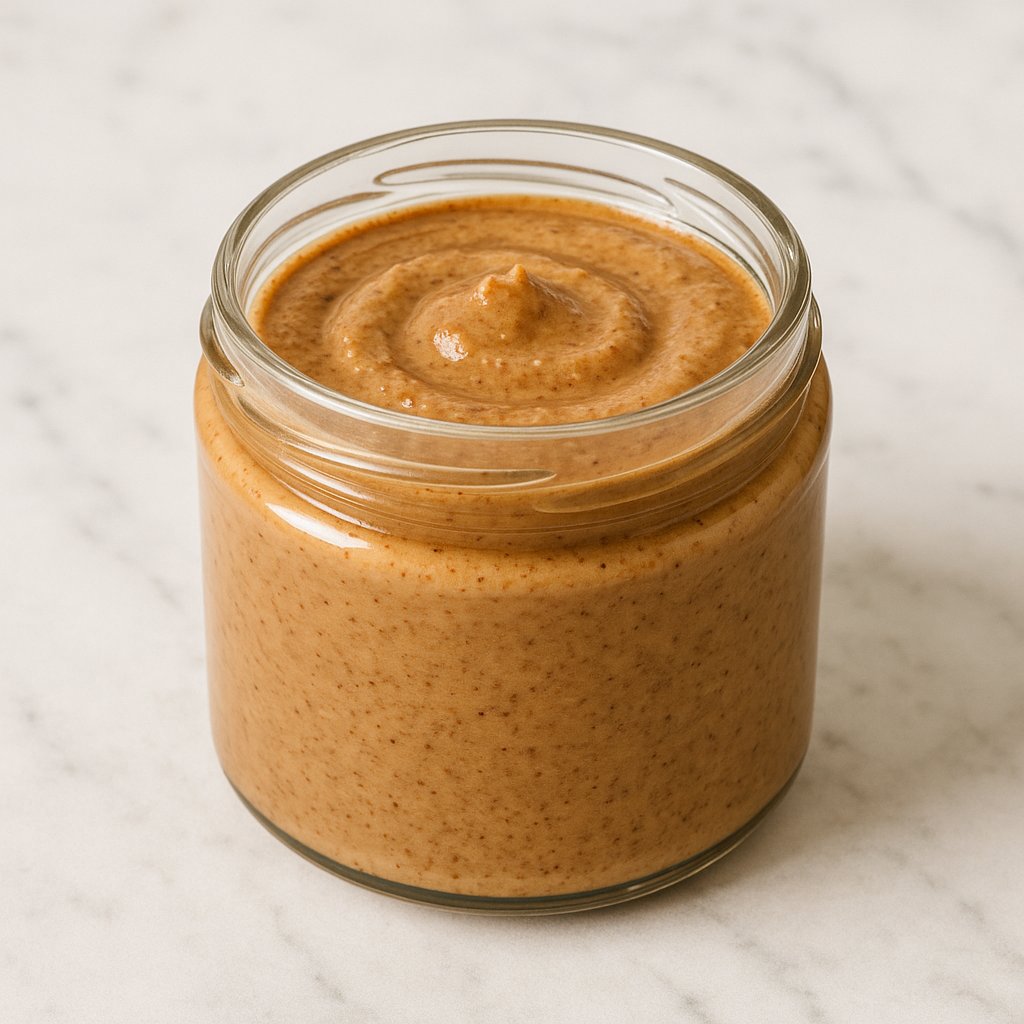
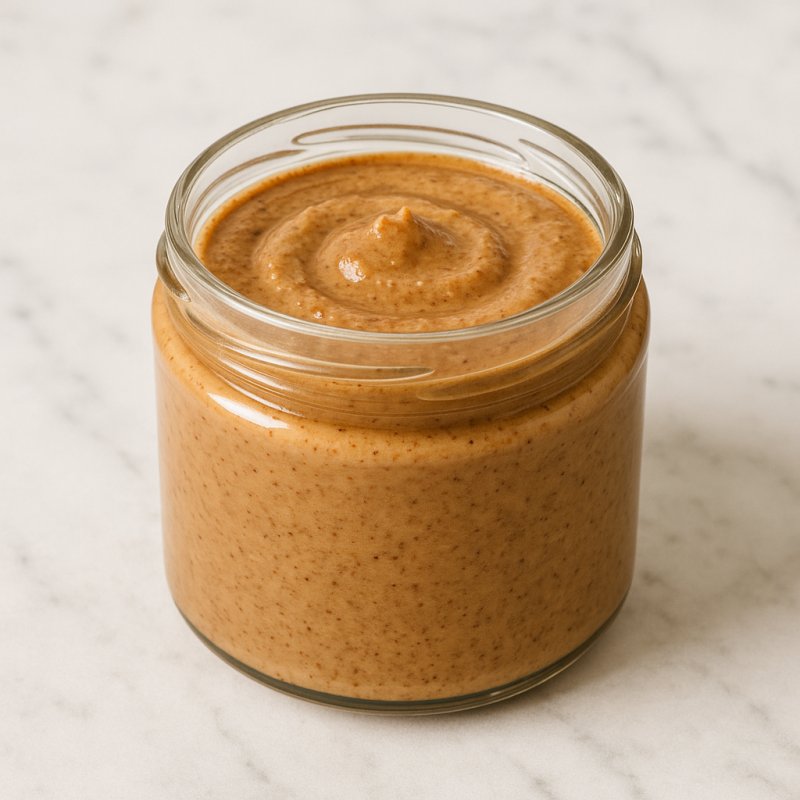
Almond butter is a smooth paste made from ground almonds that you can buy in many supermarkets, health food stores and online. The almonds typically come from warm regions because almond trees like sun and little frost. Major growing areas include, for example, California in the USA, Spain and parts of Southern Europe, but also regions in the Middle East or North Africa. You can think of it like oranges: not every place in the world is good for oranges – the same is true for almonds. Where it is warm and dry, almond trees grow particularly well.
In stores you will find different varieties and types of almond butter. Here are the main kinds, explained simply:
- White (or light) almond butter: This is made from blanched almonds. The brown skin of the almonds is removed before they are ground into butter. The butter is therefore lighter in color and has a somewhat milder, finer taste – like eating apple slices without the skin.
- Brown (or dark) almond butter: This butter is made from almonds with the skin. The small brown skin remains and makes the butter a little darker and stronger in flavor. Some people like that slightly nutty bitterness, similar to wholemeal bread compared to white bread.
- Baked or roasted almond butter: Sometimes the almonds are briefly roasted before grinding so the butter gets a caramel-like, more intense flavor – like roasted nuts you might eat as a snack.
- Natural or separated almond butter: Natural almond butter often separates: oil collects on top and a firmer mass is below. This is completely normal because almonds contain a lot of oil. Just stir and it becomes creamy again. Some manufacturers mix it so it always looks the same; this is often labeled "creamy stirred" or "spreadable".
- Pressed or extra-creamy almond butter: Some products are ground for longer and more finely so the butter becomes very smooth and spreadable. This is like the difference between chunky peanut butter and super-smooth nougat cream.
- With additions: There are pure almond butters, but also variants with salt, honey, cocoa or vanilla that act as small flavor extras. If you want pure almond butter, check the ingredient list — it should say only "almonds", sometimes plus a few drops of oil or salt.
- Organic and conventional variants: Organic almond butter comes from almonds grown without certain chemicals. This matters to people who care about environmental or health issues. Both types taste similar, but organic products are grown and produced according to specific rules.
When buying you can also pay attention to the following practical points:
- Shelf life and storage: Almond butter keeps for a long time in a closed jar, especially in the refrigerator. If the oil separates, simply stir.
- Price and quality: Pure almond butter is often more expensive than nut butters made from peanuts because almonds cost more. More expensive brands often grind finer or use better almonds.
- Availability: In large supermarkets and drugstores there are usually one or two kinds; in health food stores or specialized shops you'll often find the largest selection.
In summary: almond butter is available in many varieties — light or dark, roasted or raw, extra-creamy or rustic — and mainly comes from warm growing regions like California or Southern Europe. When buying, a look at ingredients, the label and the price helps to find the desired type.